A Fun Day Trip to Beit Lehem HaGlilit Spice Market
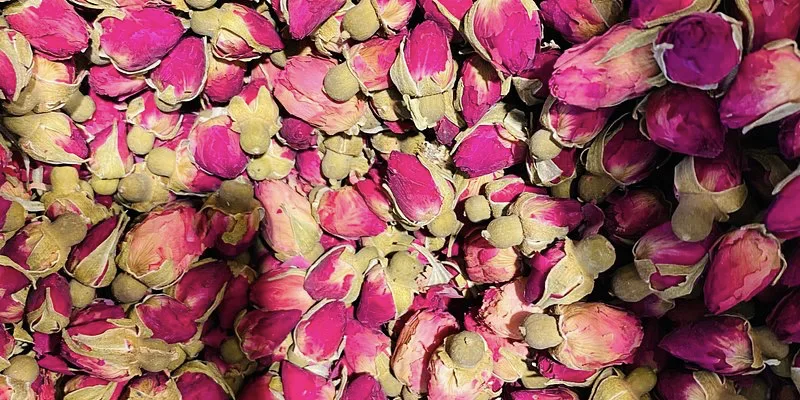
Beit Lehem Haglilit is a small town located in the north of Israel, famous for its spice market, which is a must-visit destination for foodies and travelers looking for an authentic taste of the Middle East. Whether you’re a local or a tourist, a day trip to the Beit Lehem Haglilit Spice Market promises to be a fun and flavorful experience.
When Numbers Lie!
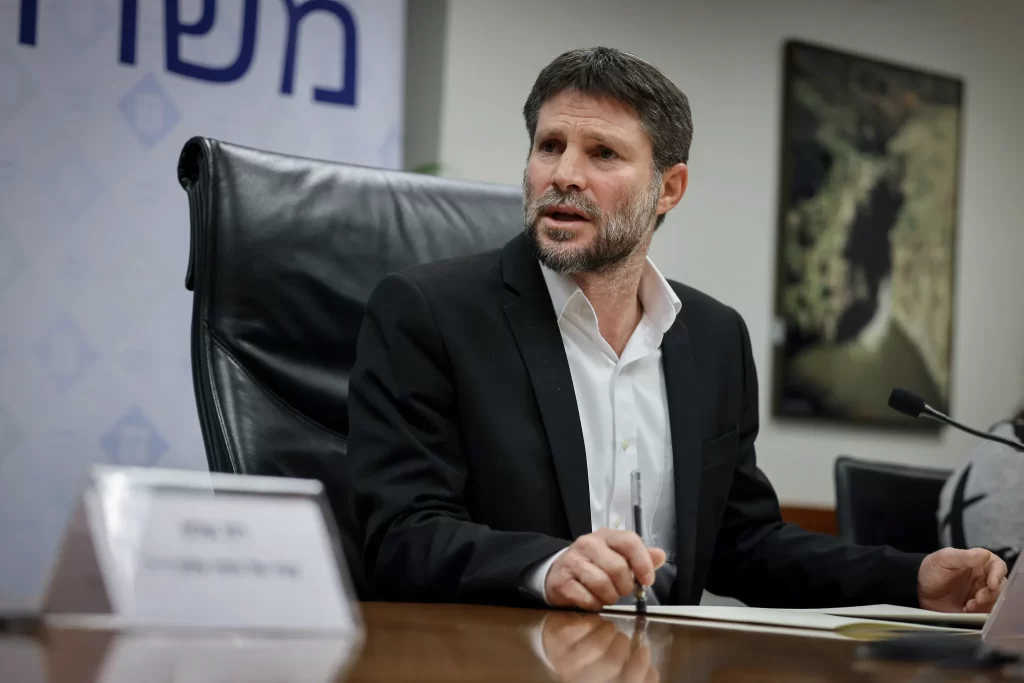
Bezalel Smotrich has a tough year ahead juggling between increased fears of a recession a widening wage gap and skyrocketing real estate prices across the country.
Sold ⎸ 2 Bedrooms ⎸ Old North
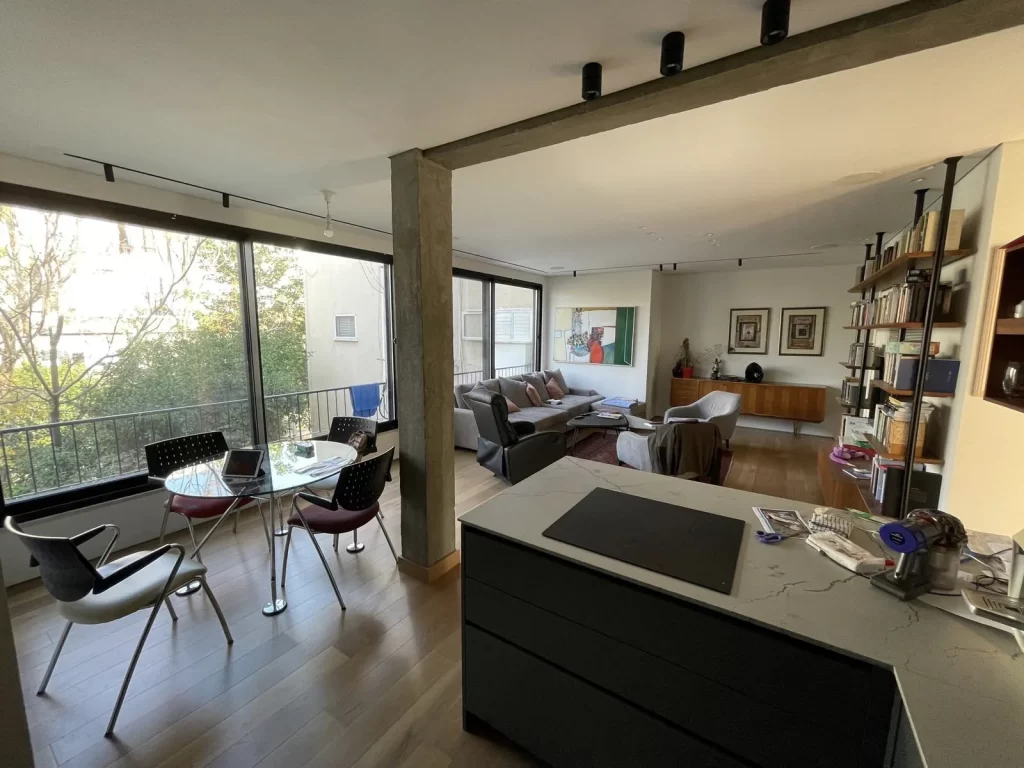
Introducing a brand new apartment for sale in the sought-after Old North of Tel Aviv. Enjoy breathtaking views of lush greenery from the comfort of your own home. Recently renovated to the highest standard, this stunning 2-bedroom apartment is located on the second floor and is priced at a competitive 5.1 million shekels. Don’t miss out on the opportunity to own a piece of Tel Aviv’s history in one of the city’s most desirable neighborhoods. Make your dream of living in the vibrant city of Tel Aviv a reality. Don’t miss out on this new for sale opportunity in the Old North of Tel Aviv.
Tel Aviv-Jaffa Antiquities
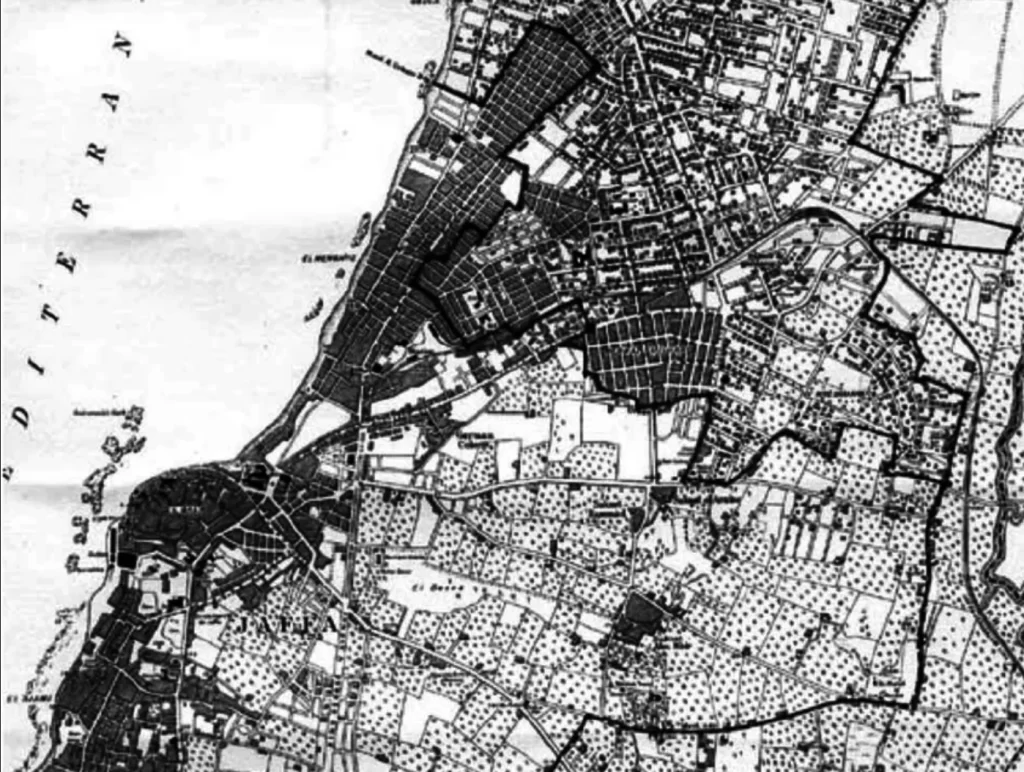
This museum is an amazing piece of history. The building itself is from the Ottoman Empire, and is built on top of a Crusader fortress. Because of this, it displays two forms of art: ancient archeology, and contemporary artwork. Admire the amazing archeological feats of the Ottomans, while simultaneously appreciating more contemporary work.
Leyvik House-Israeli Center for Yiddish Culture
The waves of various “aliyah”s brought with them many more artists, and what is known as the “Yiddishe schrayber mishpokhe” (the Yiddish writers’ family) grew bigger and more influential. Many of them are our forefathers, the role models who laid these foundations and about whom we will tell on this site.
The Steinhardt Museum of Natural History
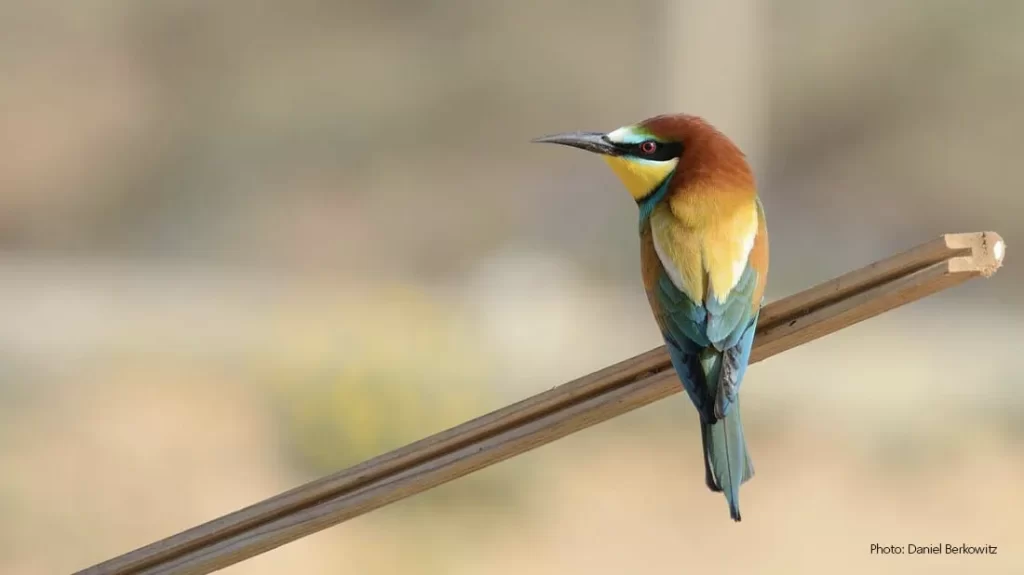
The museum presents Israel’s national treasures of nature, selected from a scientific collection of five and a half million items. In its exhibitions you will see thousands of items gathered through the years, in rare exhibits and displays that tell the story of the natural world around us.
The mission of the Steinhardt Museum of Natural History at Tel Aviv University is to inspire acquisition of knowledge, to promote understanding, and to reinforce our bonds with nature and our place within it – for the benefit of future generations.
The museum reveals scientific knowledge from research taking place within the museum itself and unique perspectives in an experiential, multi-sensory and enjoyable way, creating a special closeness and interaction with nature that cannot be experienced anywhere else.
The Yitzhak Rabin Center The Israeli Museum
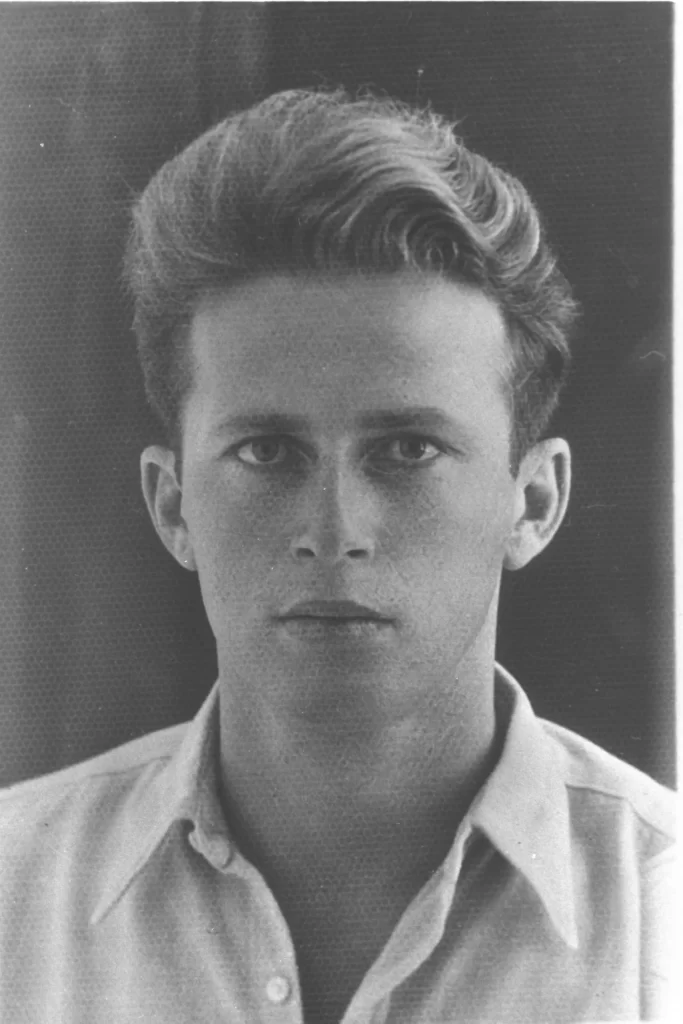
The museum at the Yitzhak Rabin Center tells the story of Israel, from the emerging settlement in the years
The 20th until the assassination of the prime minister, from the big events to the small moments. This is a story about a dream and fulfillment, construction and creation, disputes and decisions, a break, and hope for dialogue and a better shared future.
The Palmach House

The Museum building stands on a hill in Old Jaffa and constitutes an architectural pearl and a work of art in itself with its unique view of the Mediterranean Sea.
Ilana Goor
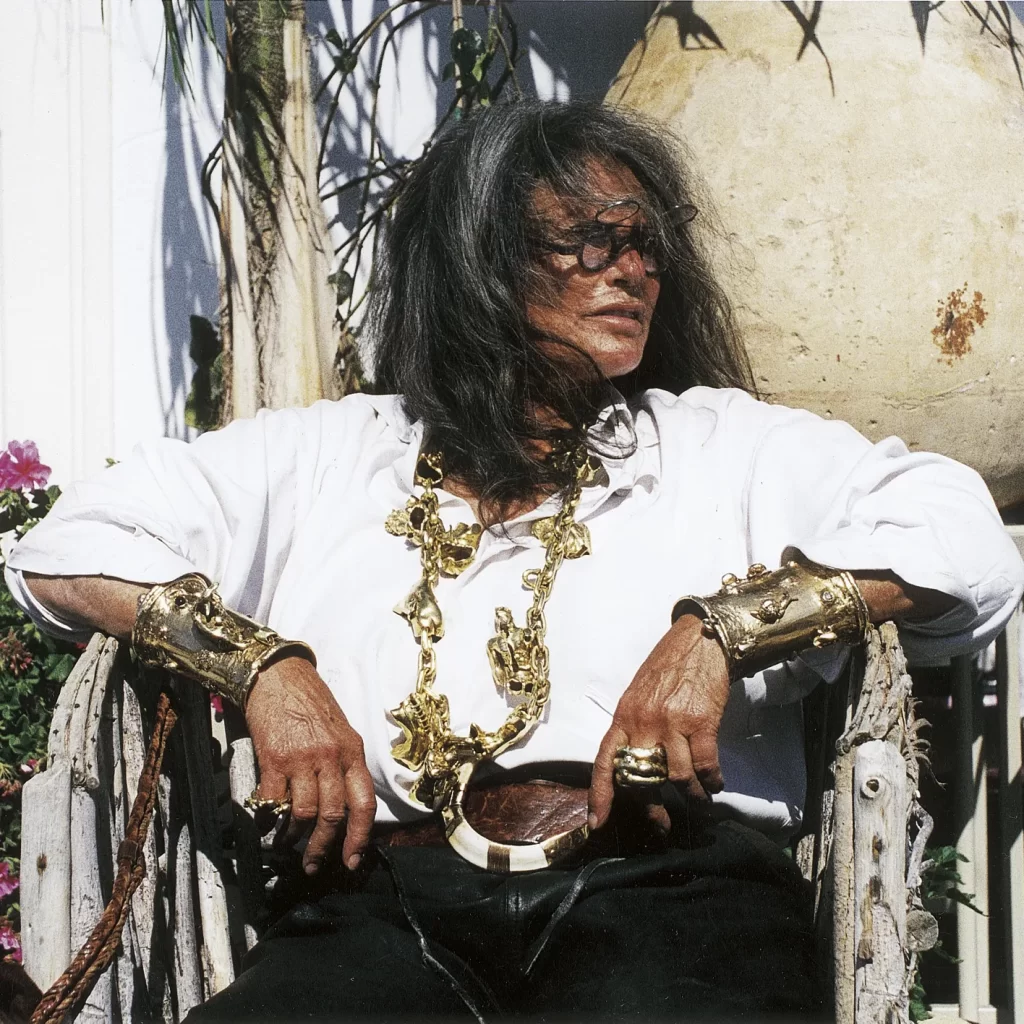
The Museum building stands on a hill in Old Jaffa and constitutes an architectural pearl and a work of art in itself with its unique view of the Mediterranean Sea.
Jewish National Fund Museum
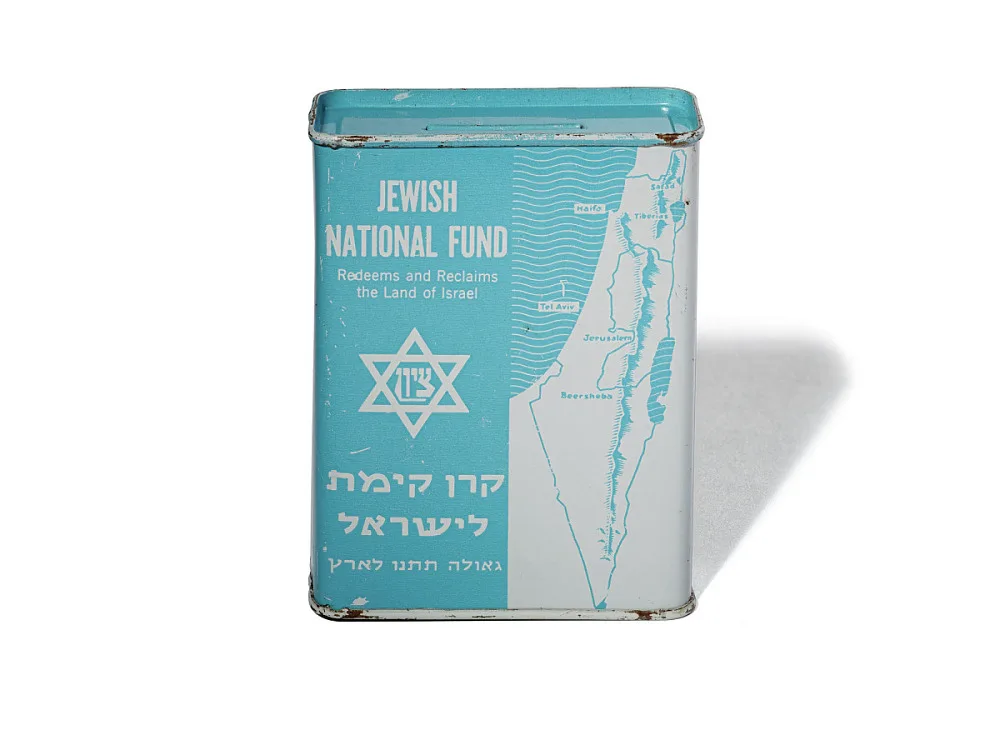
At the KKL-JNF Museum and Educational center in Tel Aviv, you can watch how the fascinating story of the development of the State of Israel unfolds…