Tel Aviv Museum of Art
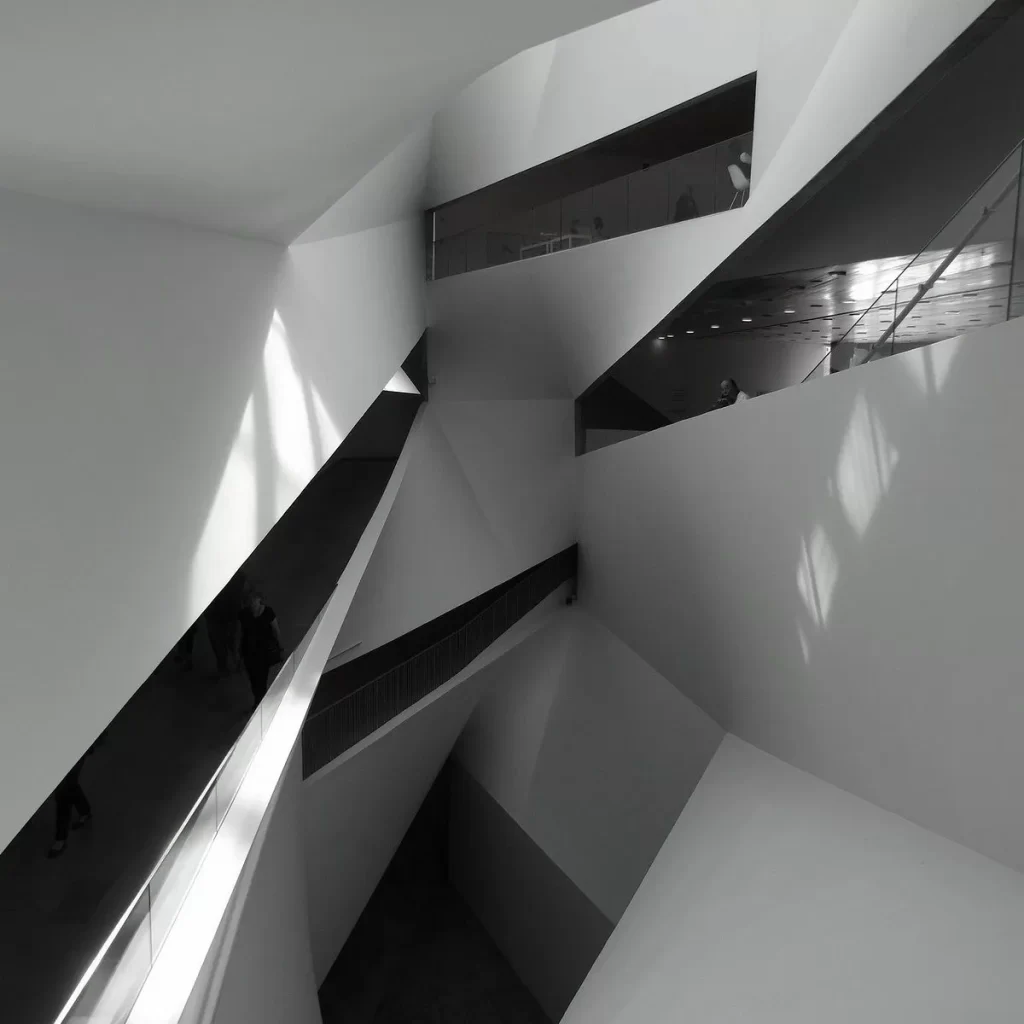
Tel Aviv Museum of Art — Israel’s first art museum, founded in 1932 — is a leading and influential institution dedicated to the preservation and display of modern and contemporary art from Israel and abroad. The Museum is a critical agent for the arts and culture in Israel, offering its visitors a multicultural experience. An active part of the vibrant metropolis, it is a must-visit for international and local crowds.
Jabotinsky Institute
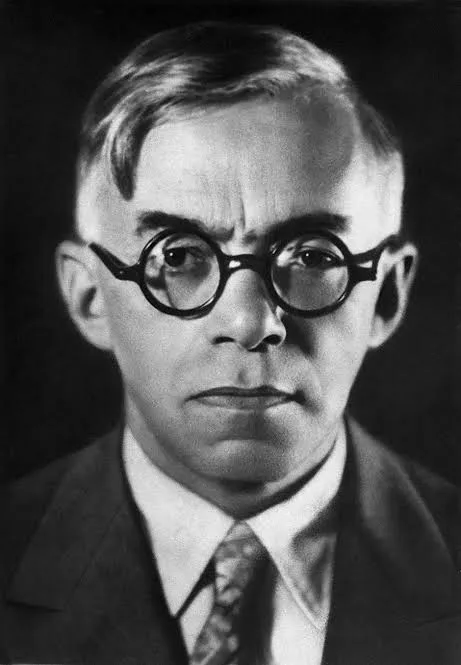
Ze’ev (Vladimir) Jabotinsky (1880 – 1940) was a Zionist leader – the founder of the Revisionist Movement and Betar, a writer, poet, publicist and translator. He was born in Odessa, Russia on October 18th, 1880 and was given a liberal education with little formal Jewish education. At the age of 18, he left to study law in Italy and Switzerland, while serving as a correspondent in these countries for notable Russian journals. His writings – some signed under the penname “Altalena” – granted him a reputation as an accomplished writer in the Russian language. While in Italy he leaned towards liberalism and hoped that in the future it will be adopted by all mankind.
The Etzel Museum
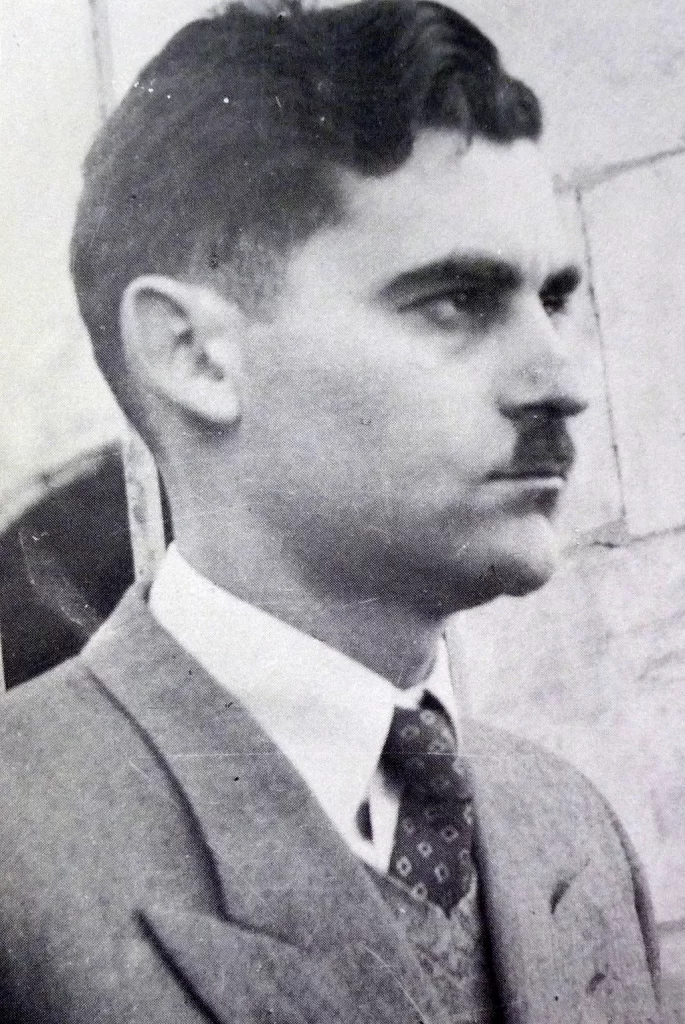
The museum is a commemorative site for the 41 IDF fighters who fell in the battle for Jaffa and is named after the organization’s operations officer, Amichai Paglin “Gidi”.
Eliyahu Golomb-Hahagana Museum
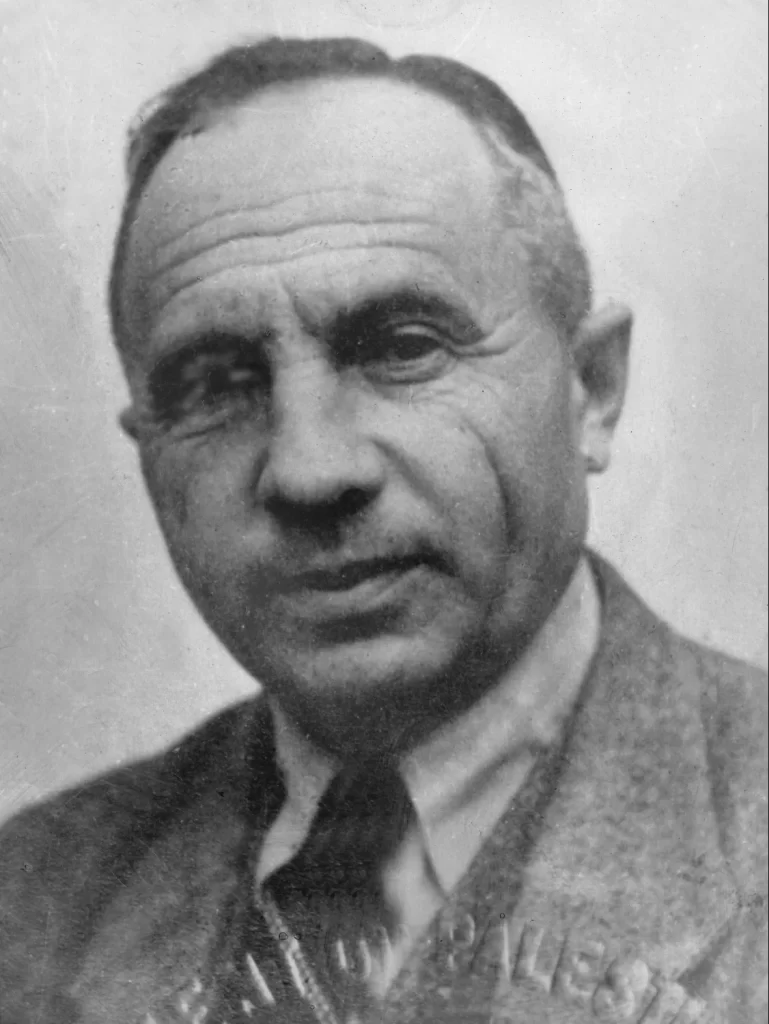
Golomb Eliyahu (1893-1945)
Leader of the Jewish defense effort in Palestine and chief architect of the Haganah, the secret military organization for defense of the yishuv between 1920 and 1948.
Lechi Museum-Beit Yair
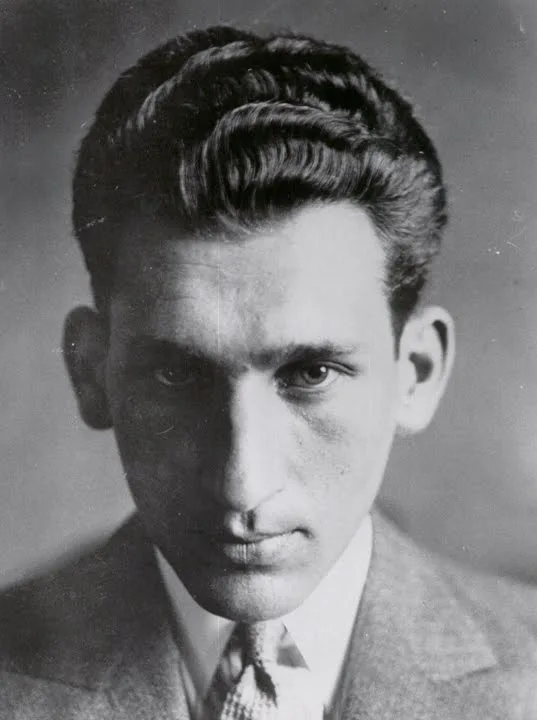
Museum located in the house where Lekhi commander Avraham Stern (Yair) was murdered by members of the British secret police.
There is a section describing Stern’s life, an exhibition describing the history of the organization, archives, a library and a commemoration hall.
Beit Rubin Museum
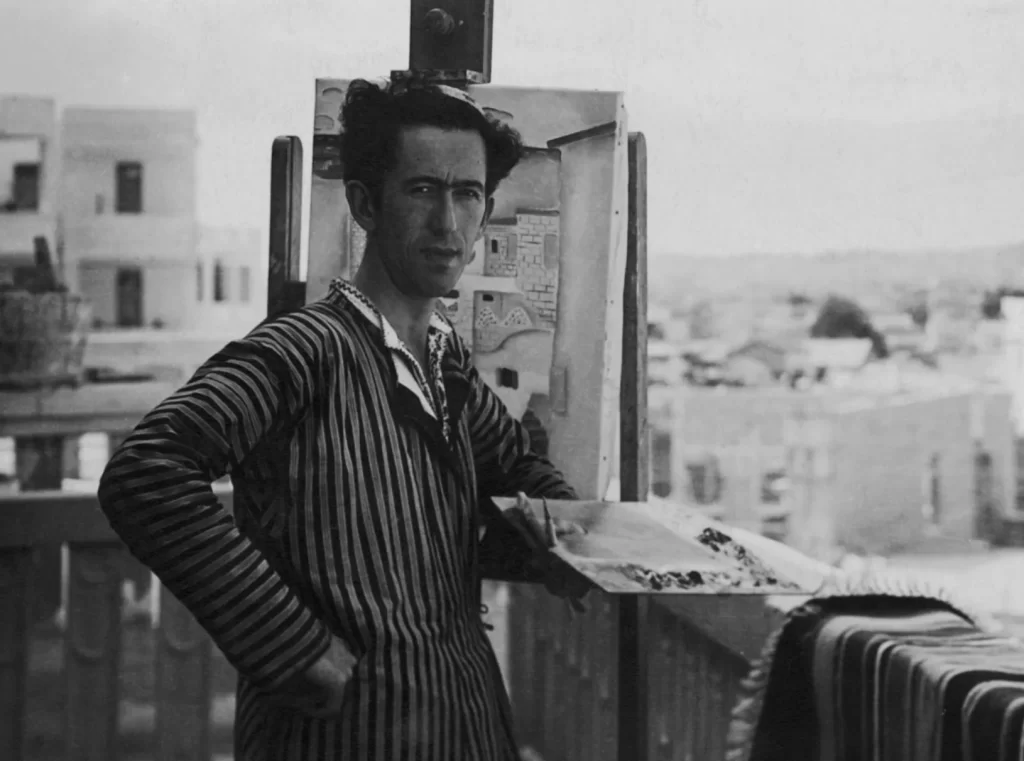
Constructed in 1930, the artist-house-museum on 14 Bialik Street opened to the public in 1983, following Reuven Rubin’s will and the agreement reached with Tel Aviv’s Mayor, Shlomo Lahat, in 1974. A choice selection from the Museum’s permanent collection is regularly on display, replaced periodically by guest exhibitions focusing on Israeli art.
Beit Ha ir The Urban Culture Museum of Tel Aviv
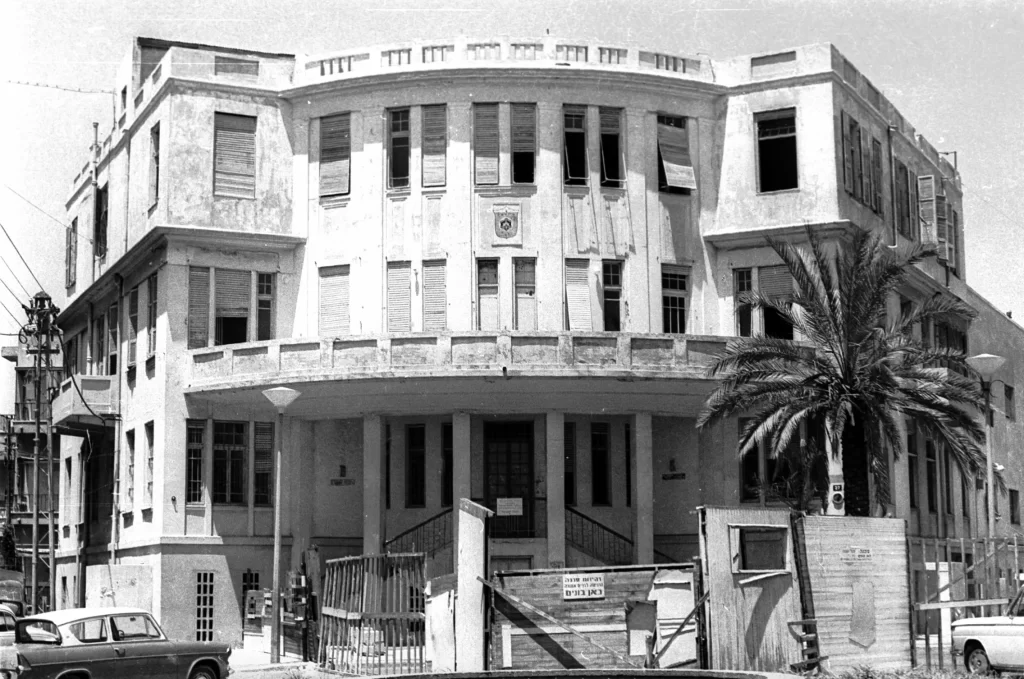
Altering exhibitions on the gallery floor, a visit to Meir Dizengoff’s reconstructed chambers, a virtual tour of the “Tel Aviv Time Machine” (a computerized database about the city’s history: rare archive materials, video footage and photos), an impression of the illustrated tile floor and the historic staircase, a visit to the study at the house’s upper floor, which contains a rich variety of nonfiction, prose and poetry books and a view of the city’s roofs from the balcony.
Dizengoff House-Independence Hall
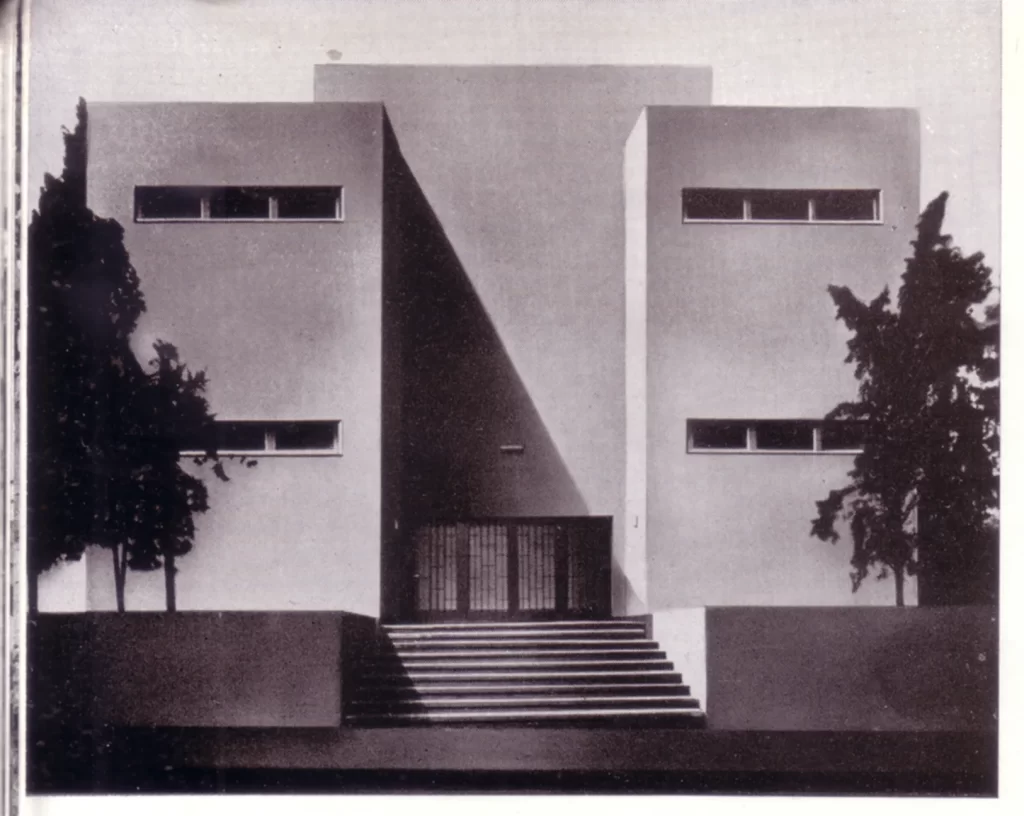
Friday, May 14, 1948, the Tel Aviv Museum of Art. At 4 p.m. – eight hours before the termination of the British Mandate in what was then Palestine – the members of the People’s Council and Executive and invited leaders gathered in the museum hall. They listened with emotion as David Ben-Gurion, head of the People’s Council, the Zionist Executive and the Jewish Agency, declared the creation of the State of Israel.
After the reading of the declaration of independence, Rabbi Fishman-Maimon recited the Sheheheyanu (a Jewish blessing of thanksgiving) and members of the People’s Council and Executive signed the scroll. The ceremony concluded with the singing of “Hatikva.”
Eretz Israel Museum
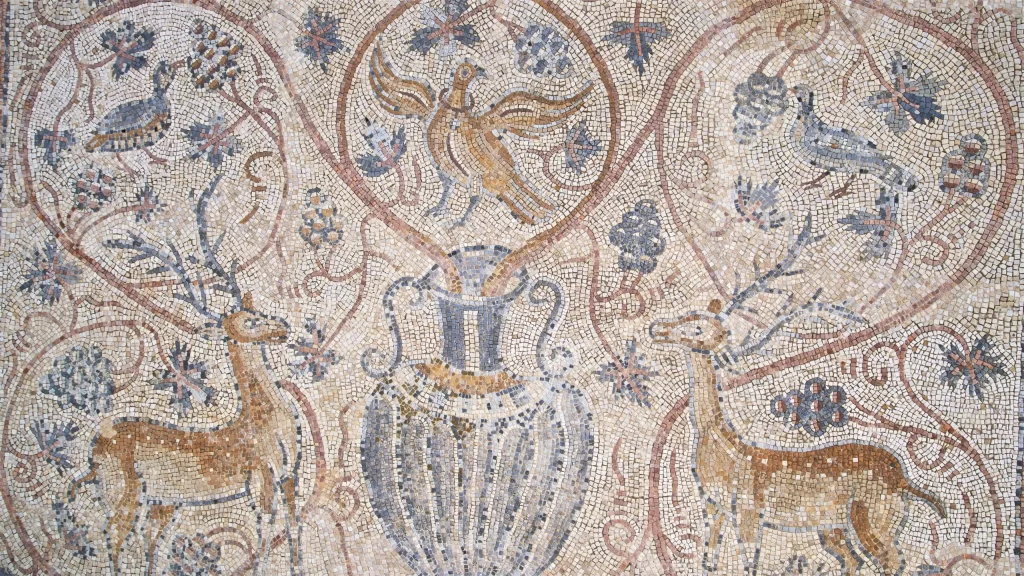
MUZA – Eretz Israel Museum, Tel Aviv, one of the three largest and most pre-eminent museums in Israel, is a multidisciplinary museum dealing with local material culture, past and present. The museum displays the connection between matter and spirit, and presents Israel’s many and varied voices. The museum’s new spirit aims to create contemporary connections between the different cultural domains that the museum is involved with – archaeology, ethnography, applied crafts, art, photography, and documentation of Israeli society – and expand them.
Helena Rubinstein Pavilion for Contemporary Art
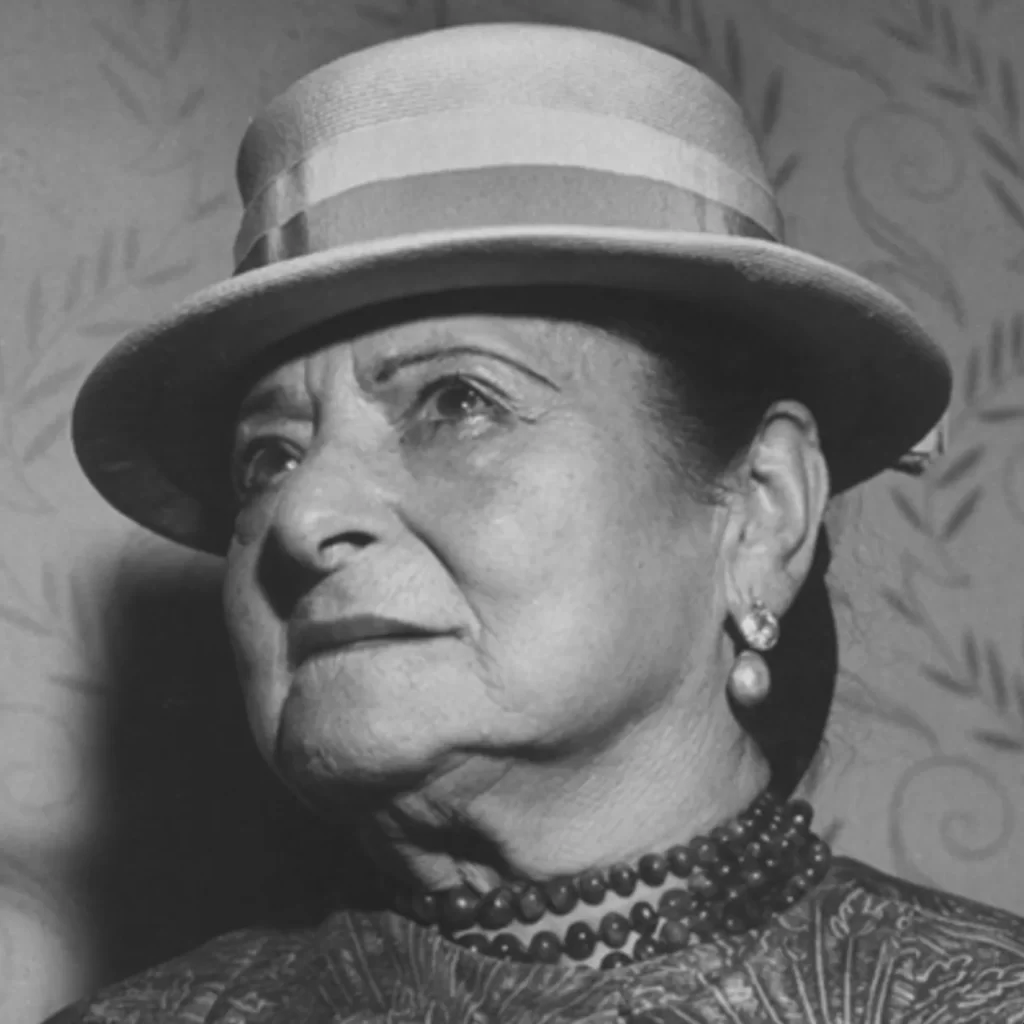
Helena Rubinstein was an entrepreneur and philanthropist. In 1902, she started her business career in Australia distributing a beauty cream that her mother had used. She soon founded a beauty salon and manufactured cosmetics, working hard to expand her business at every turn. Rubinstein opened salons in London and Paris, and when World War I began she moved to America. Her beauty business grew into a worldwide cosmetics empire, and she eventually created the Helena Rubinstein Foundation in 1953 to fund organizations for children’s health.
