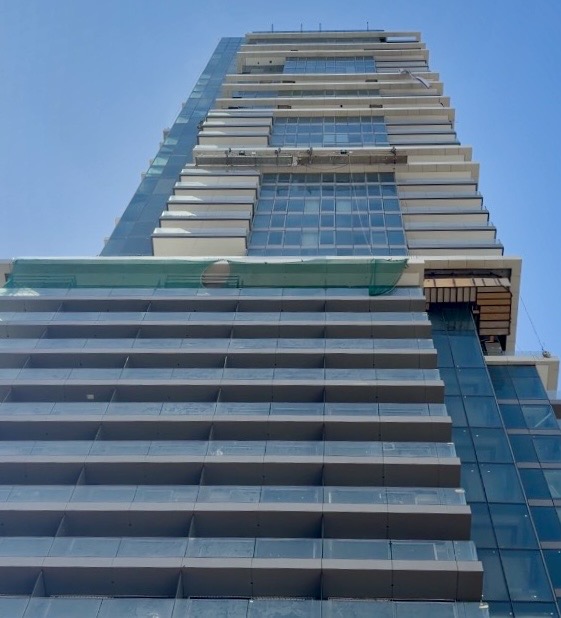
Israel GDP Growth 2026 (BoI)
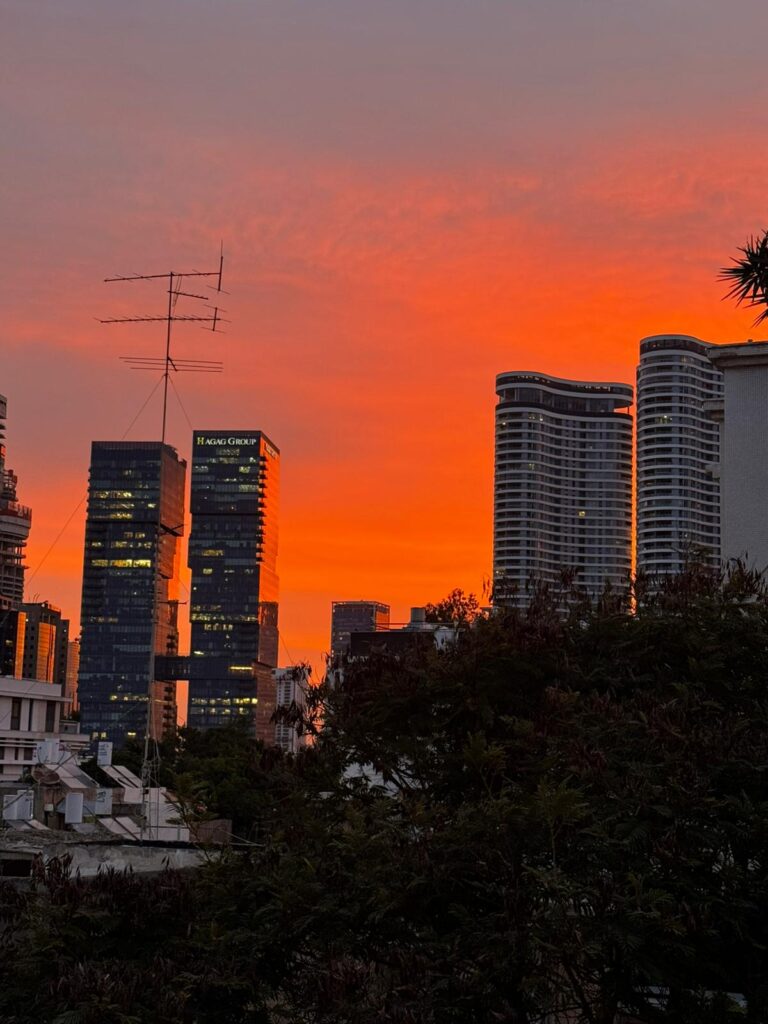
TA-35 Rally — 2025
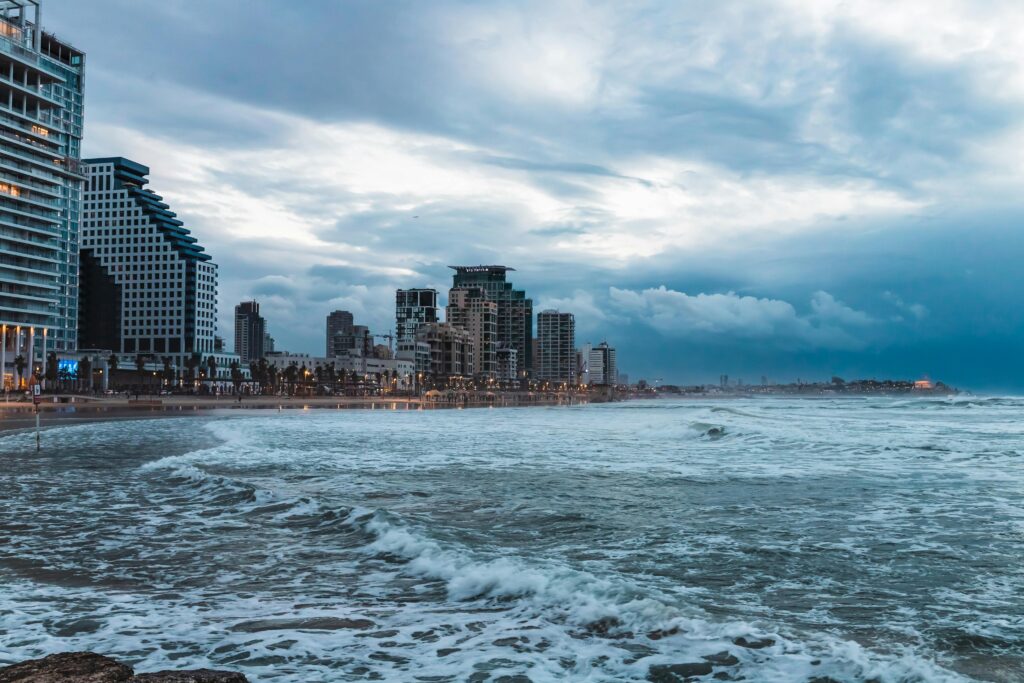
Shekel vs. USD YTD 2026
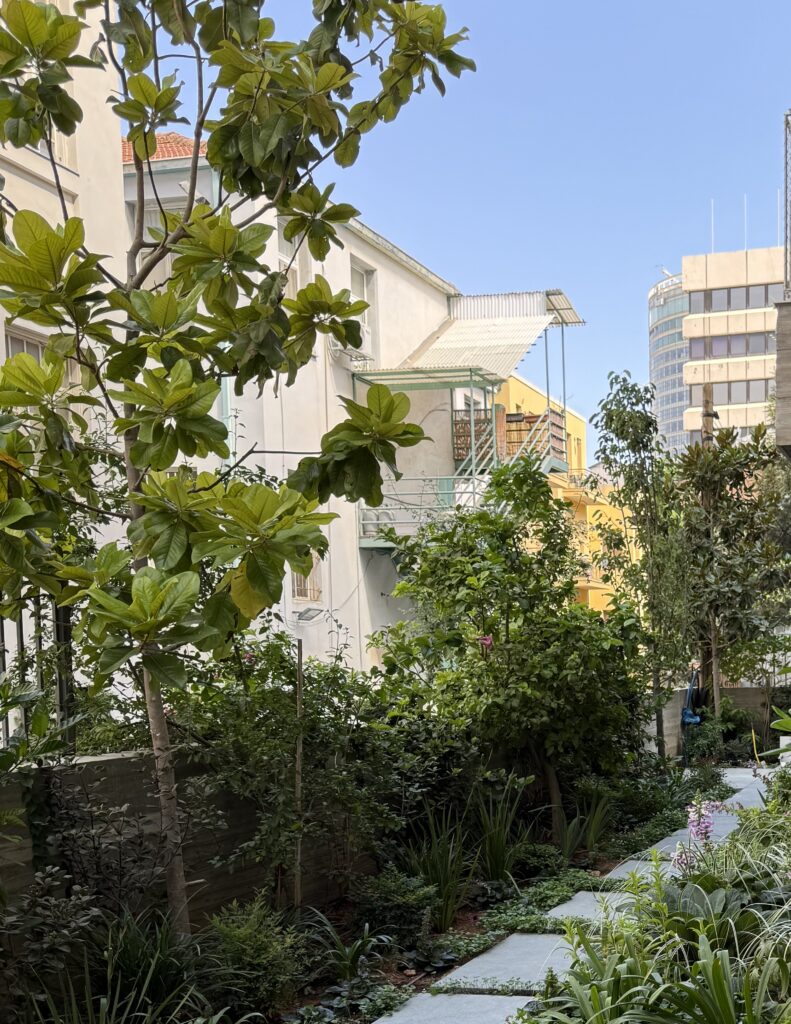
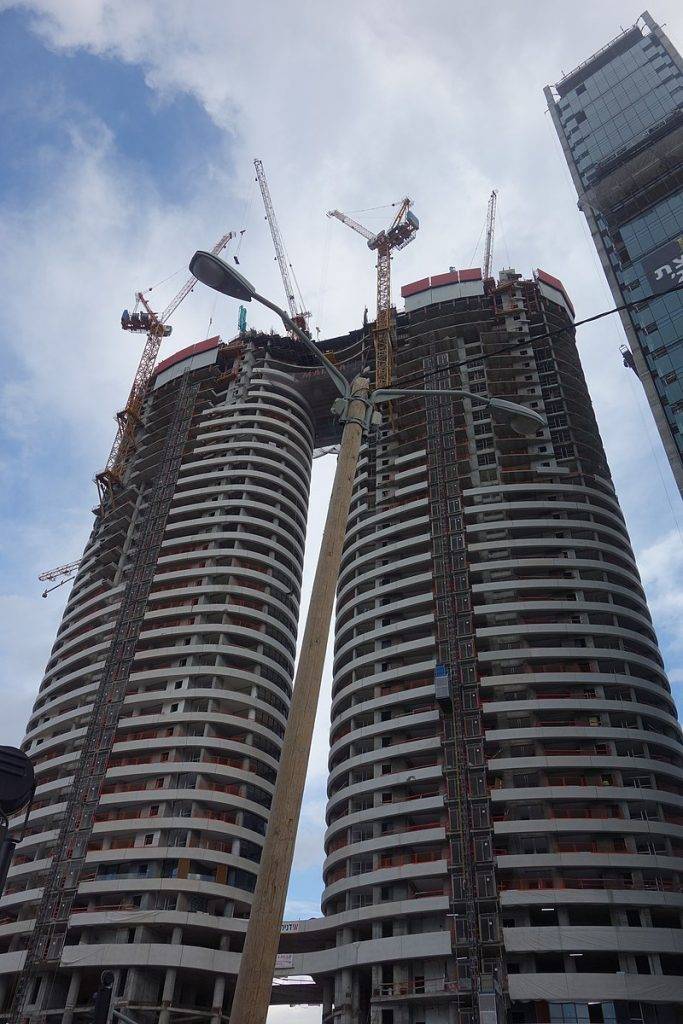
Max price/sqm — luxury towers
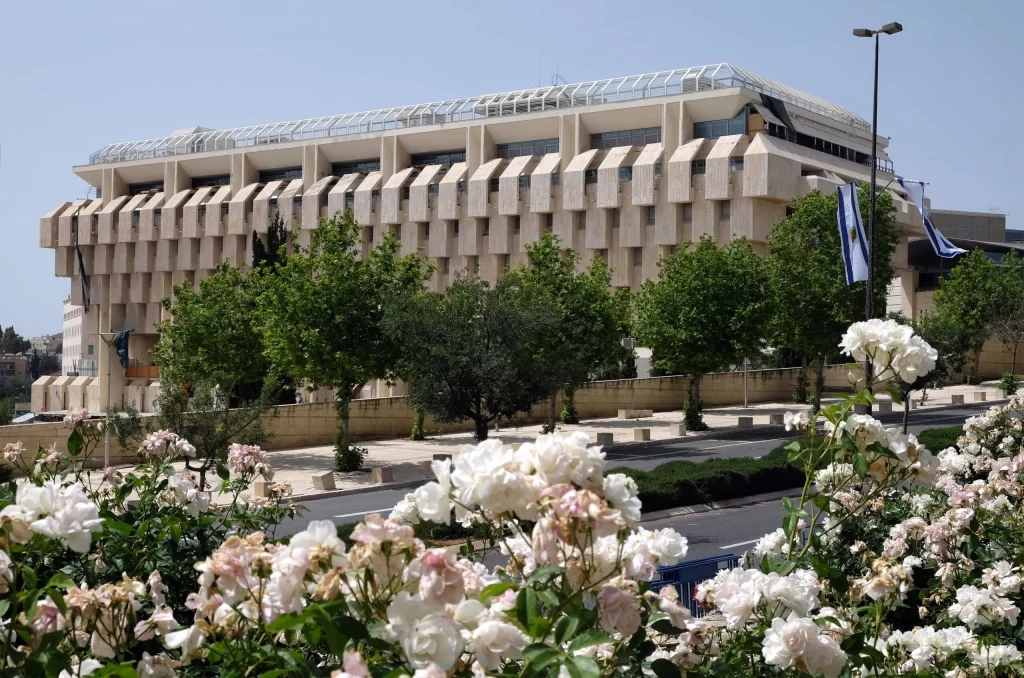
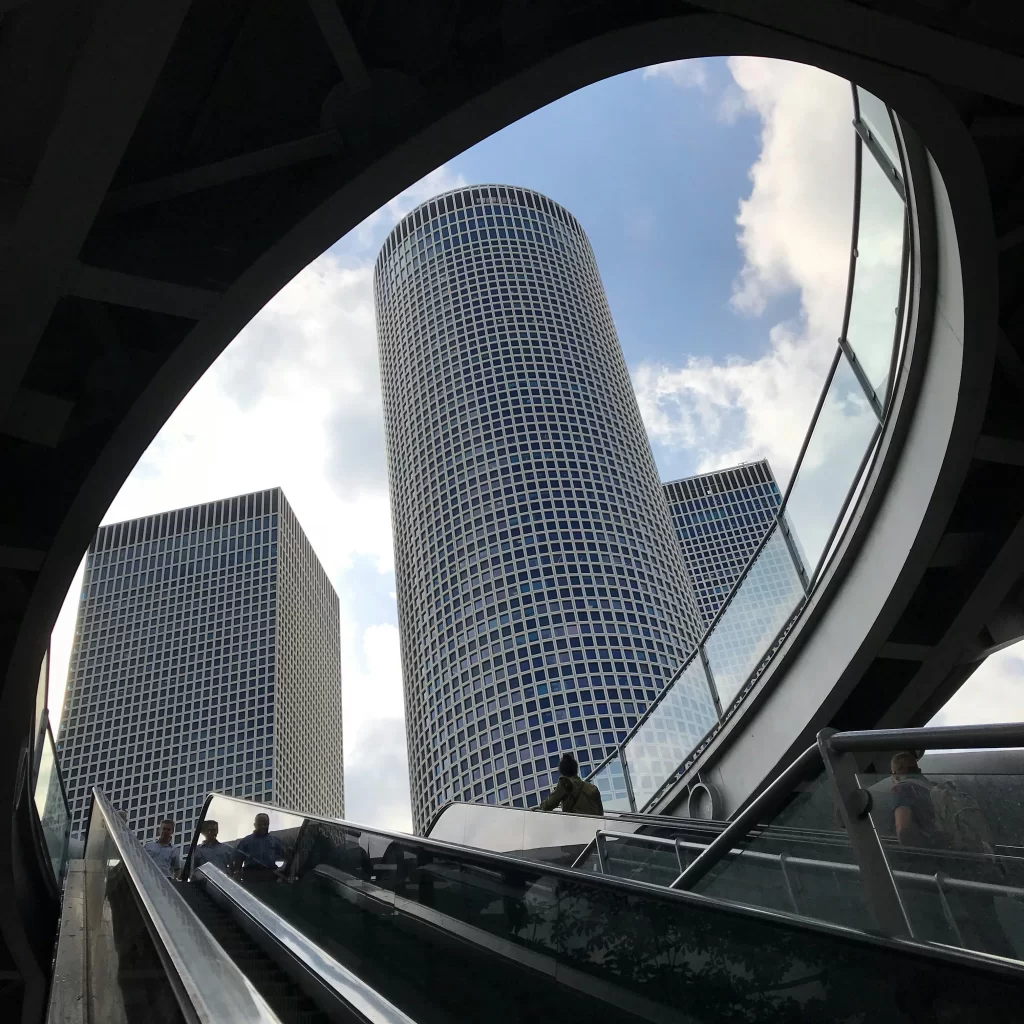
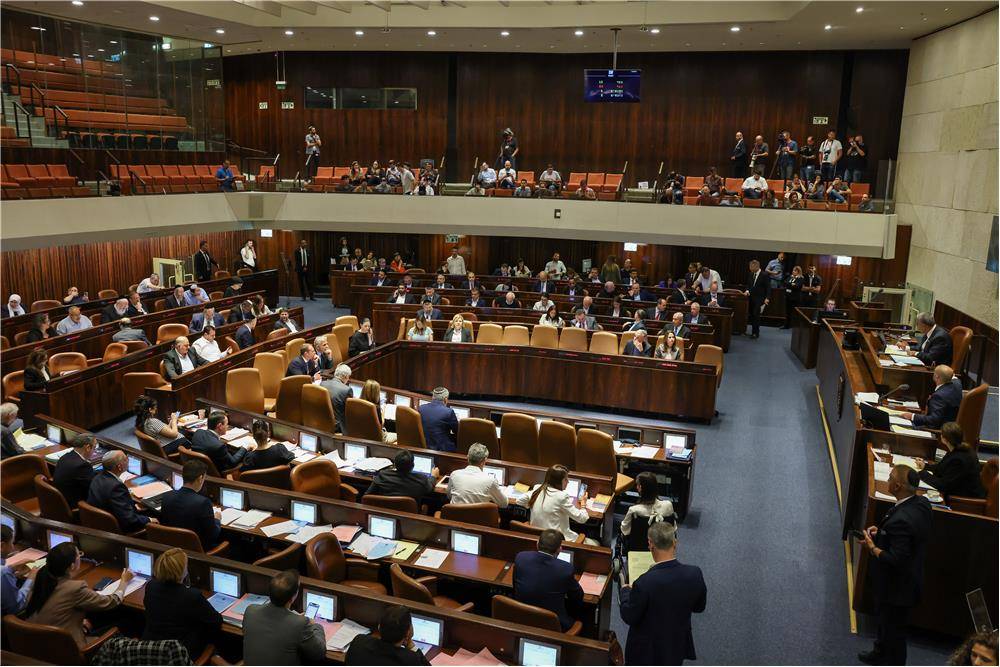
CNBC’s April 30th headline said it plainly: Israel’s economy is booming in the middle of a war. The IMF forecasts 3.5% GDP growth in 2026 — ahead of the United States at 2.3% and the EU at 1.3%, outperforming every G7 nation. The Bank of Israel, even after a 1.4-point downgrade for Iran hostilities, still projects 3.8% growth. If conflicts resolve, Governor Amir Yaron told CNBC the economy could snap back to 5.5% in 2027.
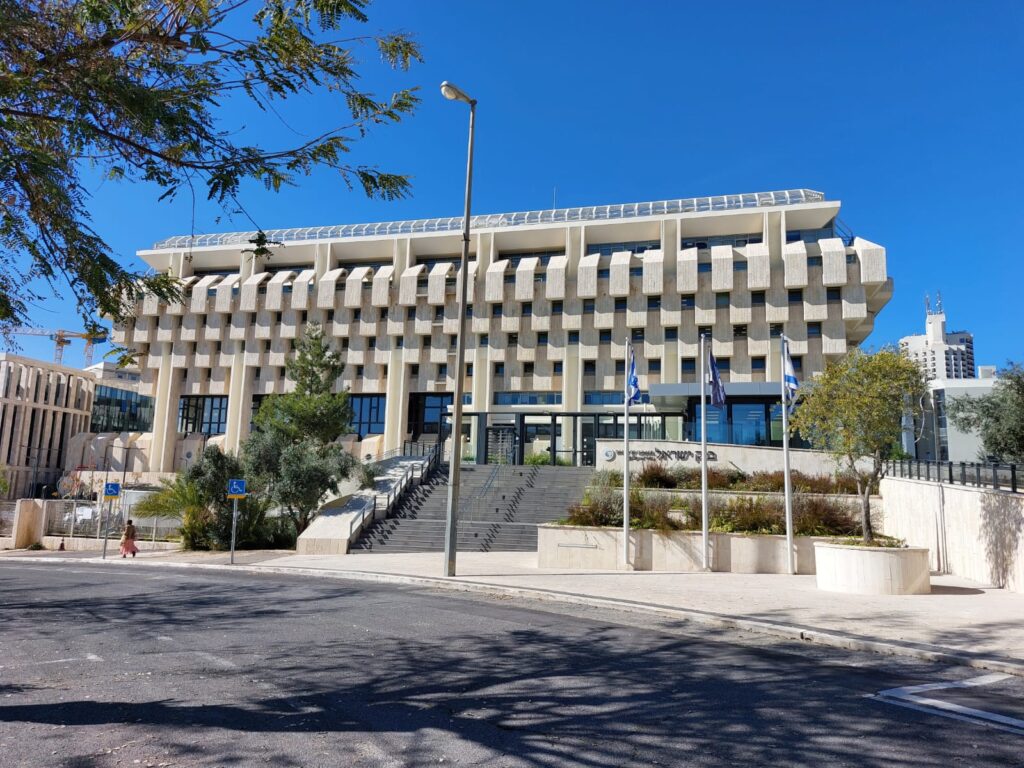
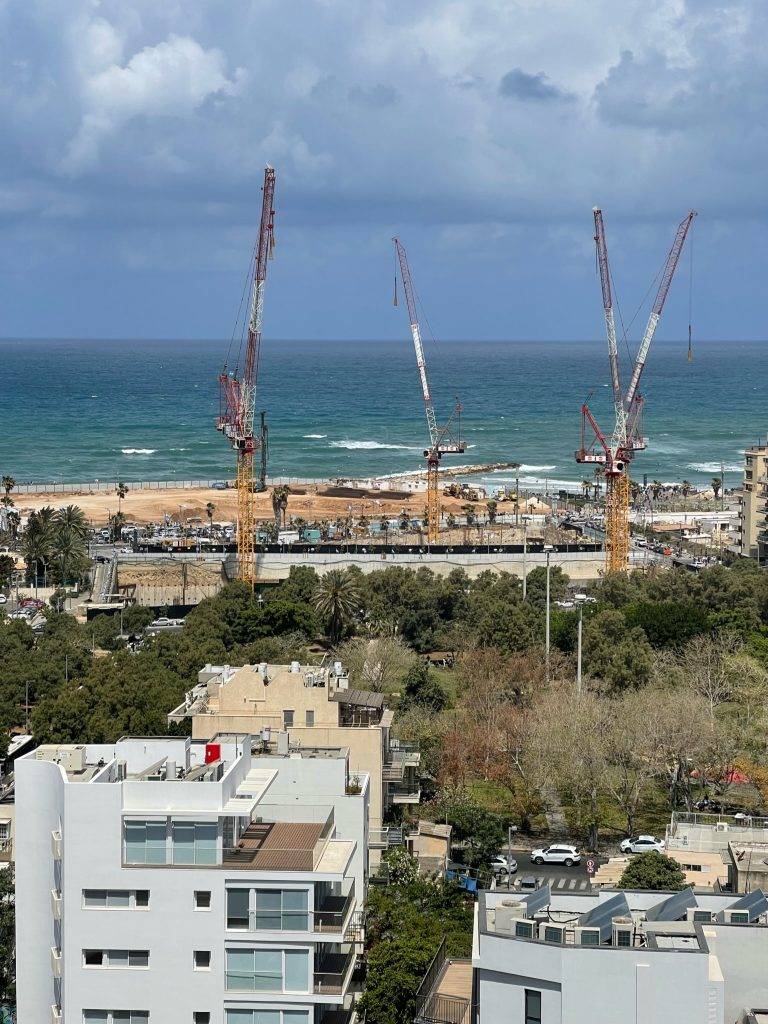
The Tel Aviv 35 has climbed roughly 20% year-to-date in 2026, building on a 51.6% surge through 2025 — one of the best-performing major equity markets on earth. Foreign institutional holdings in Tel Aviv-listed stocks hit a historic record of $19.2 billion, more than double pre-war levels. The two largest foreign investment deals in Israel’s history closed in March 2026: Google’s $32B acquisition of Wiz and Palo Alto Networks’ $25B purchase of CyberArk.
So the numbers look extraordinary. But who, exactly, is capturing this prosperity? And what does it mean for Tel Aviv, where the gap between a penthouse on Rothschild Boulevard and a walk-up in Hatikva is already 4:1 in price per square metre?
The Growth Is Real — But It Is Concentrated
Here is the structural problem: Israel’s economic outperformance is overwhelmingly a high-tech story. The sector accounts for the majority of export growth and wealth creation over the past two decades. High-tech employees earn multiples of the national median wage. Stock options, carried interest, and acquisition payouts flow almost exclusively to this narrow slice of the workforce.
The two mega-deals of 2026 — Wiz ($32B) and CyberArk ($25B) — minted hundreds of millionaires overnight, almost all concentrated in Tel Aviv’s tech corridor and northern suburbs. Meanwhile, the war disproportionately hurt lower-income workers. Labour shortages from mobilised reservists choked construction, hospitality, and retail. The economic pain was widely distributed. The gains were not.
“High-tech goods and service exports have been the main factor behind the past two decades of strong growth and wealth creation… the economy has grown strongly in other areas, including developing gas resources and defence exports.”
— CNBC / Capital Economics, April 2026
Israel’s Gini coefficient stands at approximately 0.38 on a market income basis — among the highest in the OECD before government transfers. The high-tech and finance sectors, offering salaries and equity packages unavailable elsewhere in the economy, are the primary structural driver of this divergence.
Interested in where prime Tel Aviv capital is moving right now?
What This Means for Tel Aviv Real Estate
Tel Aviv’s property market does not have one story — it has two, running simultaneously on different tracks. Understanding which track you are investing in is the entire game.
The Mainstream Market: Softness With Caveats
After the 2021–22 peak, prices across broader Tel Aviv corrected an estimated 8–15% from their highs, driven by elevated interest rates, the VAT hike to 18% in January 2025, and war-related demand hesitation. In 2025, home prices across Tel Aviv dropped 1.9% annually — even as Jerusalem rose 9.6%. Transaction volumes collapsed 19% year-on-year. Israel currently has a record 86,000 unsold new homes. In peripheral segments, prices have fallen 15–20% from peak.
The Luxury Market: A Completely Different Dynamic
The luxury segment tells the opposite story. In November 2025, a foreign buyer purchased an entire floor — roughly 600 sqm — in Rothschild 10 for approximately ₪106 million. In June 2025, an Italian buyer paid ₪37 million for a 356-sqm apartment in Rothschild 30. Nearly 60% of luxury transactions in 2025 involved foreign residents — an extraordinary figure for a year of active war.
“For these foreign residents, the purchase is not just a vacation apartment, but a long-term strategic investment. Israel is perceived as a safe anchor — economically, culturally, and in terms of identity.”
— Leading Israeli luxury broker, Ynet Real Estate, January 2026
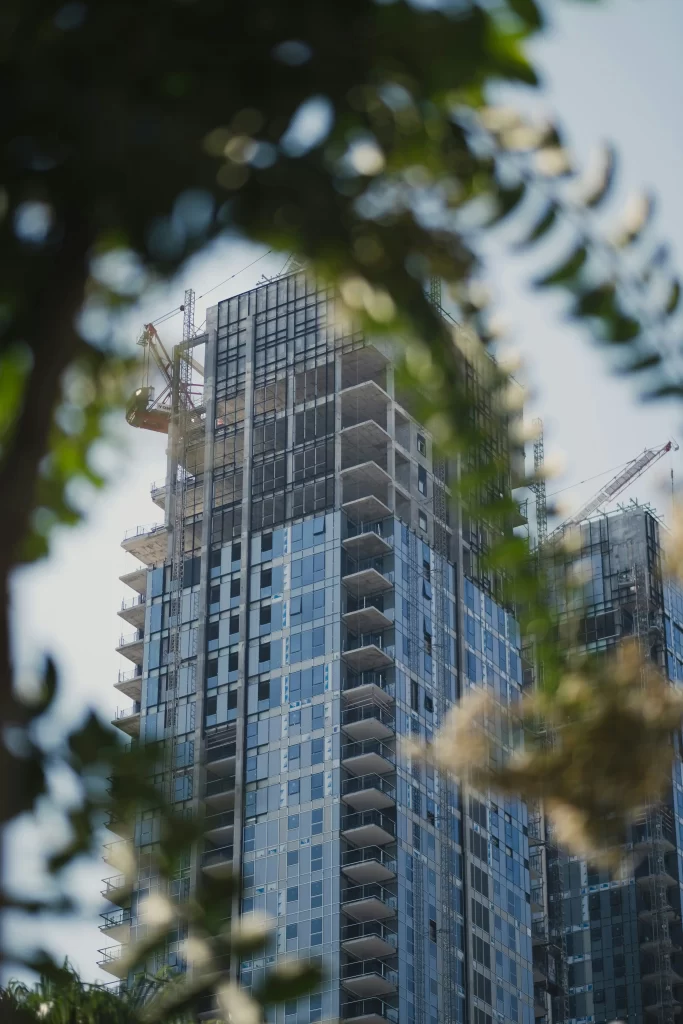
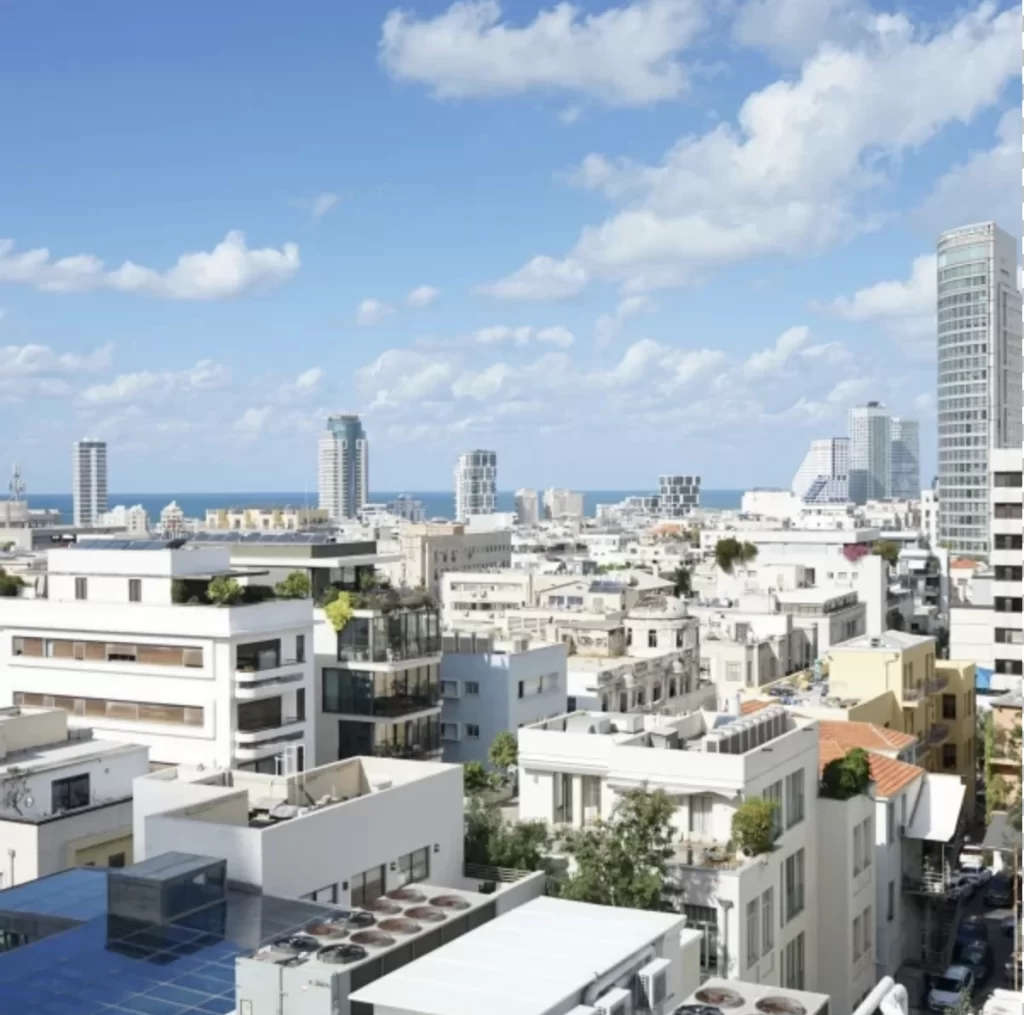
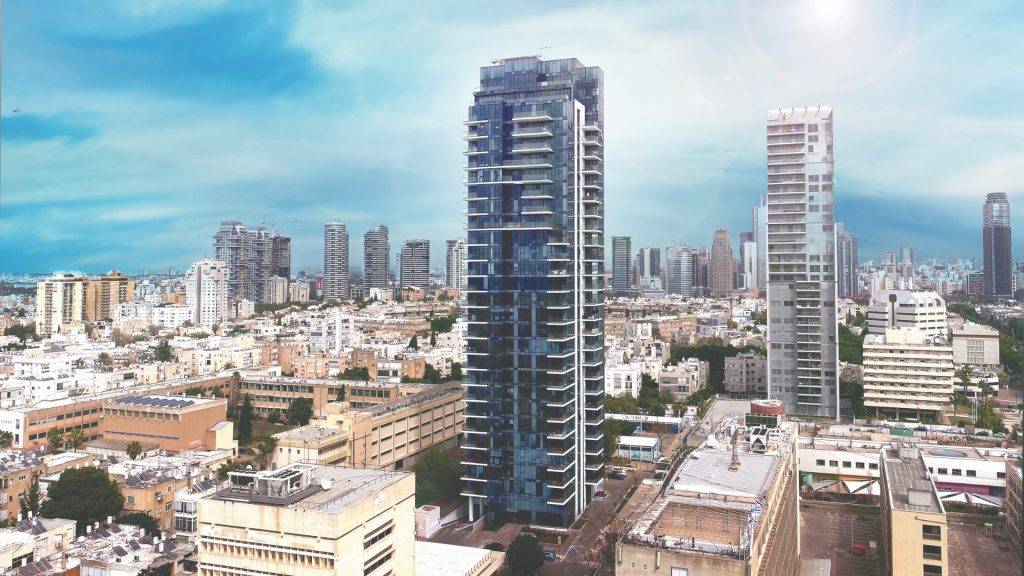
Ultra-premium properties in Tel Aviv now command ₪120,000–200,000 per sqm in the top towers — rivalling Monaco, Miami, and Sydney. At these price points, buyers are not mortgage-dependent. They are cash-flush: tech exit recipients, international UHNWIs, and diaspora buyers treating Tel Aviv property as a geopolitical hedge.
The Inequality Feedback Loop in Property
This is where macroeconomics and real estate collide in a reinforcing cycle that deepens over time, not corrects itself.
- 1Tech growth and M&A concentrate large capital gains among a small professional class. A single engineer with vested options in a $32B exit can clear ₪5–20 million — enough for a prime apartment in cash.
- 2This cash-buyer cohort competes for structurally scarce prime real estate. Land is finite. Building permissions are slow. The metro is reshaping accessibility but has not yet added meaningful prime inventory.
- 3Rising prime prices push the mortgage-dependent middle class further south or out of the city entirely — priced out of the very neighbourhoods where growth is highest.
- 4Property ownership itself becomes the primary wealth-creation engine. Those who own in Neve Tzedek see assets appreciate; those who rent see rents rise as ownership costs climb. The divide is structural, not cyclical.
- 5International buyers add another layer of non-mortgage demand — they treat the shekel’s 7% YTD appreciation as a structural tailwind, not a headwind, further pressuring supply at the prime end.
✦
Israeli housing prices have risen roughly 68% in nominal terms over the past decade, with a real increase of around 42% after inflation. But that appreciation has not been uniform — prime areas have compounded far above that average; peripheral segments have barely kept pace with inflation.
Thinking about prime Tel Aviv as a portfolio allocation? We can walk you through current listings.
What the Data Actually Says vs. What the Headlines Imply
The CNBC article paints a picture of broad Israeli resilience. In macroeconomic terms, that resilience is real. But GDP does not distinguish between a ₪106M penthouse sale in Rothschild 10 and a family in Florentin stretching to afford a three-room apartment.
Data Check
Five Facts the Boom Headline Obscures
1. Tel Aviv home prices fell 1.9% in 2025 — even as Jerusalem rose 9.6%, and even as GDP rebounded. Economic growth did not translate into city-wide property appreciation.
2. Transaction volumes crashed. Only ~19,900 apartments changed hands in April–June 2025, down 19.3% year-on-year. The market is liquid only at the extremes.
3. Rental yields are a warning signal. Gross yields across Tel Aviv average 2.5–3.5% — far below any reasonable cost of capital. The market is priced for appreciation, not income.
4. The shekel’s strength cuts both ways. A 7% YTD gain against the dollar makes Tel Aviv property more expensive for USD-based overseas buyers — a meaningful headwind for that segment.
5. Record supply overhang. 86,000 unsold new homes nationally. Outside the prime luxury tier, this supply pressure will dampen price inflation even as the macro improves.
The Outlook: Bifurcation Deepens
If the Bank of Israel is right and Israel’s economy rebounds to 5.5% growth in 2027, a significant portion of that uplift will flow through high-tech and defence — again concentrating new wealth at the top of the income distribution. Each new generation of tech exits produces another cohort of cash-rich buyers for prime Tel Aviv real estate.
The most likely 12-month scenario: prime and ultra-prime properties (₪10M+) continue to attract domestic tech wealth and international capital, holding values and seeing selective appreciation. The mainstream market (₪2M–₪8M) stays soft. Peripheral areas continue to struggle.
For international investors, the shekel is the decisive variable. At near 30-year highs, the currency is being driven by structural FDI and tech export flows — not interest rate differentials. Rate cuts from the Bank of Israel will not weaken it in any sustained way. The shekel is strong because the underlying economy that generates it is strong, and that economy is only getting stronger at the top.
✦
Bottom Line for the Sophisticated Investor
- →
GDP growth ≠ broad property appreciation. Israel outperforms macro peers, but that growth is narrow and sector-specific. The property market reflects this asymmetry precisely. - →
Luxury is a different asset class. At the ₪10M+ tier, buyers are cash-flush, internationally oriented, and uncorrelated to domestic interest rates. This segment behaves more like trophy art than residential property. - →
Inequality is a structural tailwind for prime real estate. The wider the income gap, the more concentrated the demand for top-tier property — and the more inelastic the supply. This dynamic is unlikely to reverse without fundamental policy change. - →
The shekel is not getting weaker. 7% appreciation YTD, driven by structural FDI and tech exports — not rate differentials. Rate cuts will not reverse this. Foreign buyers must model currency exposure carefully. - →
The metro infrastructure wildcard. New metro lines reshaping neighbourhood premiums through 2030. Early positioning in undervalued nodes along planned routes remains the asymmetric play available today.
Data sources: IMF World Economic Outlook April 2026 · Bank of Israel · CNBC / Capital Economics (April 30, 2026) · Israel Central Bureau of Statistics · Israel Tax Authority / Madlan · Tel Aviv Stock Exchange · Times of Israel · Reuters