Israel Property Prices April 2026: What the CBS Data Really Tells You — and What Comes Next
Every month on the 15th, the Central Bureau of Statistics publishes its Prices of Dwellings survey — a quiet data release that rarely makes front pages but tells you more about Israel’s housing market than almost anything else. April 15, 2026 is no ordinary publication date. The numbers land on the same day that the US dollar drops below 3 Israeli shekels for the first time in modern history. That combination — softening official prices, a record-strong shekel, and a market that looks one way on paper and another way in reality — is exactly what this report unpacks.
What the CBS Actually Published Today
The January 2026 data (the CBS publishes with a two-month lag) shows the national housing price index at 600.80 — down from 601.40 in December 2025, and down 0.9% year-on-year. That annual decline is modest by any standard. What is not modest is the trajectory: this is the ninth monthly decline in the past twelve months. Prices nationally have not collapsed, but neither have they stabilised. They have ground lower, month after month, in a way that suggests a market working through a genuine correction.
The data behind the headline number tells a more complicated story — and a more interesting one.
Two Cities, Two Markets
Israel’s housing market in 2026 is not one market. It is at minimum two, moving in opposite directions with enough force to almost cancel each other out in the national average.
Jerusalem: Up 9.6% year-on-year. Demand is structural — the capital has chronic supply constraints, driven by planning restrictions that date back decades, sustained demand from the ultra-Orthodox community, and a diaspora buyer base with deep cultural attachment to the city that makes them relatively price-insensitive. Jerusalem has not had a correction. It has had a bull market dressed in a bear-market period.
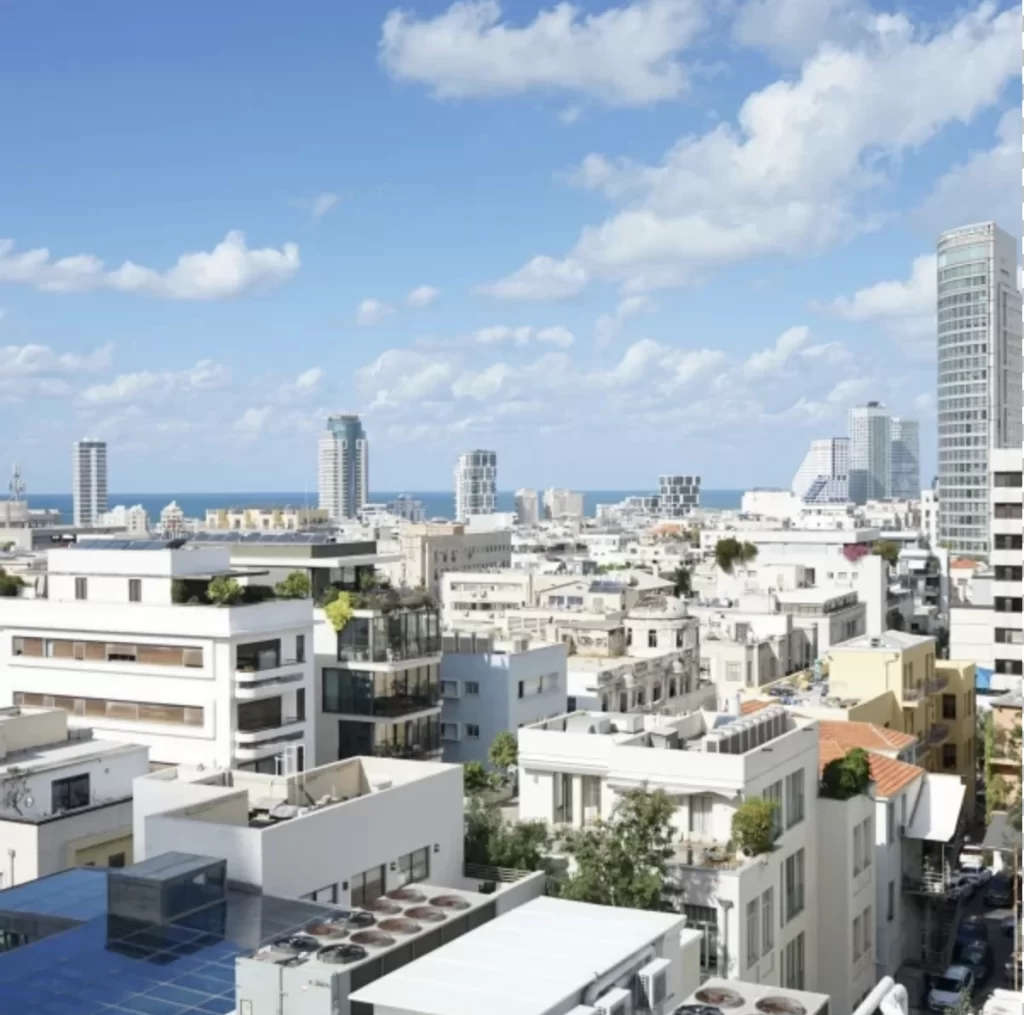
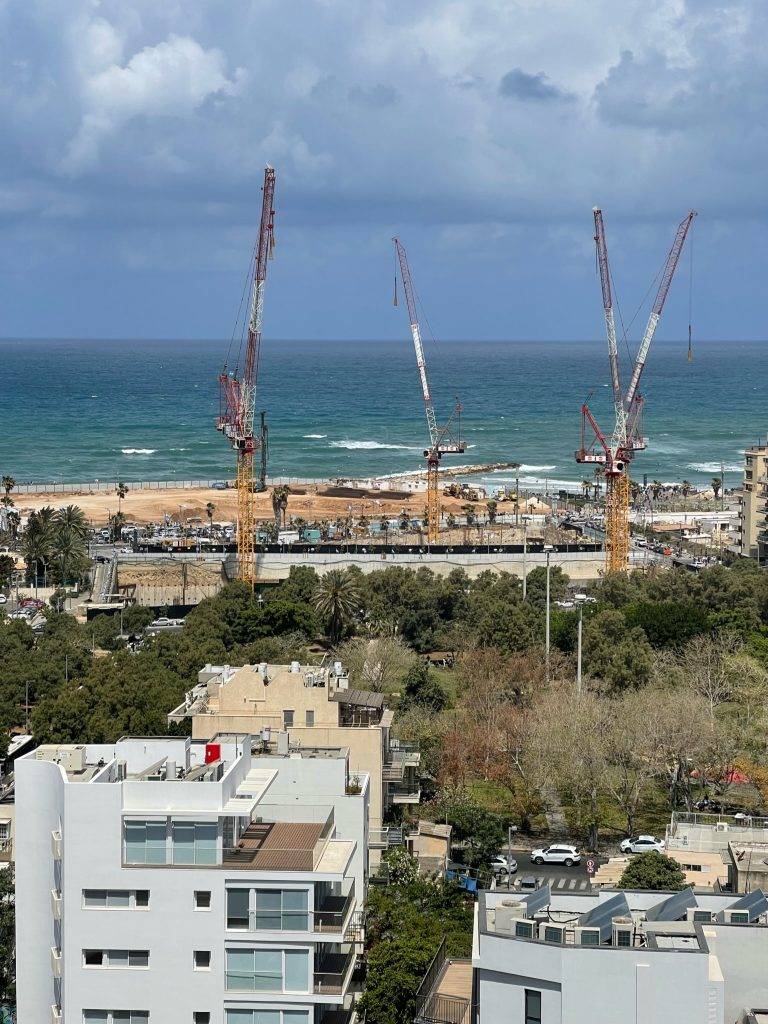
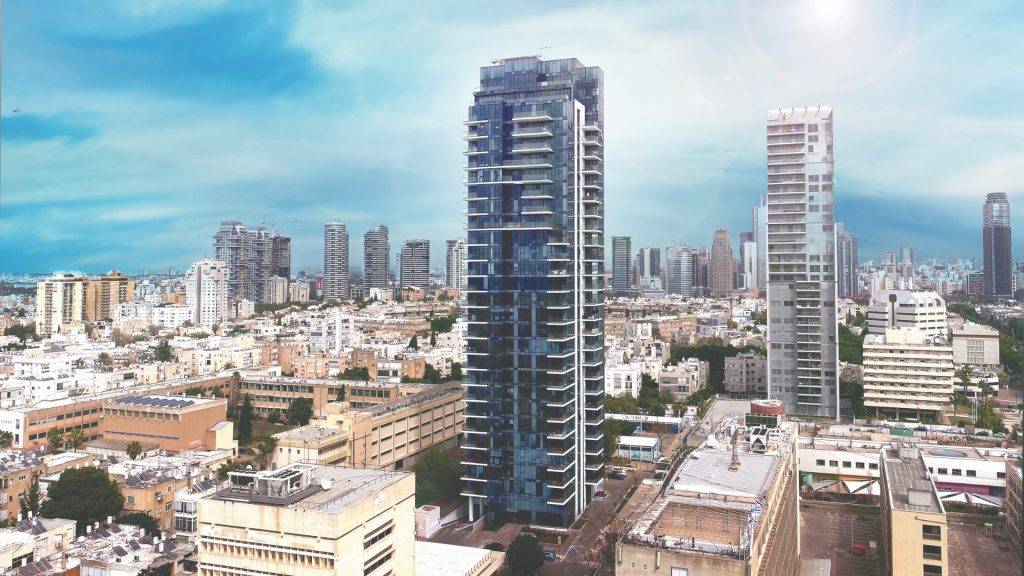
Tel Aviv: The average apartment price fell to NIS 3.68 million — down 13% year-on-year and down 12% quarter-on-quarter. More arresting is what happened to larger family apartments. Five-room units in Tel Aviv moved from NIS 7.04 million in Q1 2025 to NIS 5.18 million in Q3 2025. That is a 26% decline in two quarters. Read that again: Israel’s most expensive city saw its family-sized apartments lose more than a quarter of their price in six months. That is not a correction. That is a reset.
The national average — gently declining at -0.9% — papers over both of these stories. If you are making decisions based on the headline figure, you are working with a map that shows you neither the mountain nor the valley.
The Supply Overhang Nobody Wants to Talk About
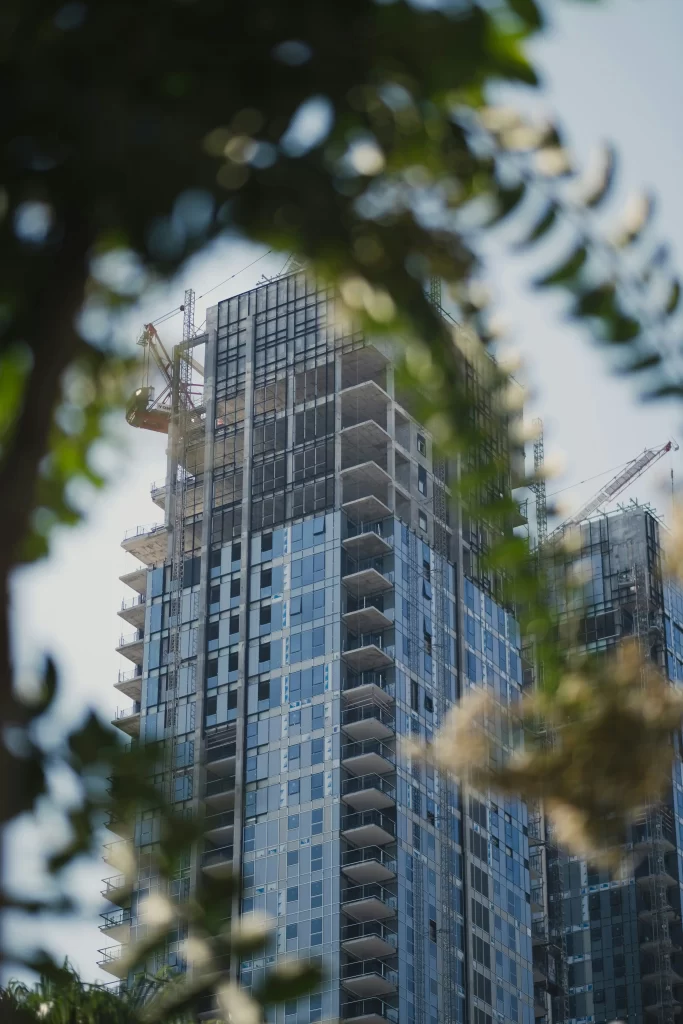
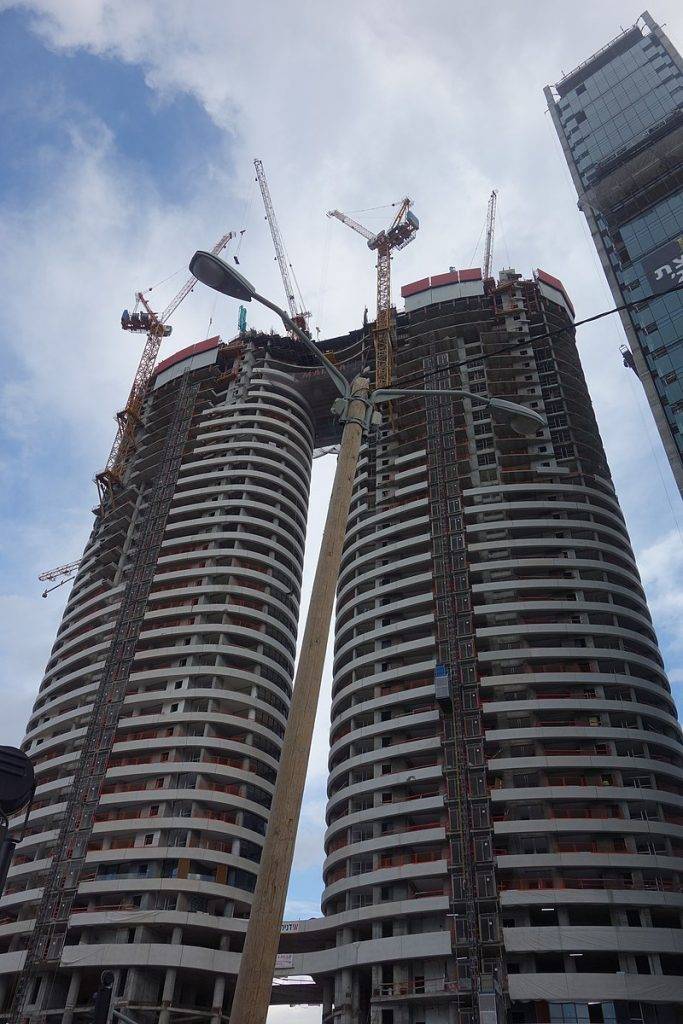
The most structurally significant number in today’s data landscape is not a price — it is 86,090. That is the number of completed but unsold new homes sitting in developer inventory across Israel as of December 2025, a record. To understand why this matters, consider the following: Israel was a market where structural undersupply was used to justify two decades of price increases. The argument was simple — too many people, not enough homes, therefore prices must rise. That argument is now directly contradicted by fact.
Developers built into a wave of demand they thought would be permanent and are now sitting on product they cannot sell at the prices they projected. The response has been informal but significant: discounts of 15–20% below asking price, structured as “benefits packages” (free parking, storage, appliance allowances) rather than declared price cuts. This matters for two reasons. First, the published price data does not fully capture these concessions — the official numbers are almost certainly understating the real price relief buyers are achieving. Second, until this inventory clears, developers cannot restart the construction cycle, which means the supply constraint argument will return — eventually — but the timeline has extended materially.
January 2026 transaction volumes add to the picture: 6,933 sales total, down 9% year-on-year. New home sales were down 20% to 2,315. Secondary market transactions held better at -3% to 4,618. The secondary market is where price discovery is most honest, and it is also where volume is best. The new homes market is frozen not by lack of buyers per se, but by a mismatch between developer reservation prices and what buyers are willing to pay.
The Tel Avivi · Luxury Property Advisors
What does today’s data mean for your position in the market?
We work with current transaction data and off-market pricing that goes beyond what CBS publishes. If you are making a buy, sell, or hold decision in the Tel Aviv luxury market, speak to our team first.
Confidential. No obligation. English & French spoken.
The Dollar Below 3: What Changed Today
On April 15, 2026, the USD/ILS rate touched 2.9995. The dollar has not been worth less than 3 Israeli shekels in recent memory. The shekel has strengthened 17.84% against the dollar over the past year — a move of a magnitude that, in currency markets, is tectonic.
For foreign buyers — the Americans, Canadians, French, and British who make up a significant share of luxury real estate demand in Tel Aviv — this changes the arithmetic of an Israeli property purchase in ways that deserve careful attention.
Consider a NIS 5 million apartment. Twelve months ago, that cost a US buyer approximately $1.43 million. Today, the same NIS 5 million costs approximately $1.67 million — a 16.8% increase in dollar terms, purely from currency movement, even as the shekel price of the apartment has gone nowhere or declined. The shekel-denominated correction is being partly or wholly offset, in dollar terms, by shekel appreciation.
This cuts both ways. For dollar-based buyers sitting on the sidelines waiting for the correction, the window may not be as open as it looks in NIS terms. If you believe the shekel strengthens further — and the structural case for it is significant, given Israel’s $39 billion foreign direct investment in 2025 (versus $25 billion in 2024), its tech export machine, and the Bank of Israel’s credibility — then waiting carries a real currency cost.
For euro-based buyers (a large share of Israeli diaspora demand comes from France, Italy, and Belgium), the calculation is different again. The shekel has also strengthened against the euro but less dramatically, and euro-zone buyers are finding that Israeli property, priced in NIS terms, represents a relative value compared to what they left behind in Paris or Milan.
Where Things Actually Stand: Reading Between the Lines
The honest picture of the Israeli real estate market in April 2026 looks something like this. The official data shows a mild national correction, mostly concentrated in Tel Aviv, with Jerusalem moving against the trend. The real correction in Tel Aviv — especially for larger apartments and new builds — is materially deeper than the official numbers suggest, once you account for the discounts that are being granted but not reported. The market is liquid enough (secondary market transactions held at -3%) that buyers who want to transact can. And the structural case for Israeli real estate — supply constraint, immigration, a technology sector generating new wealth continuously — has not gone away. It has been interrupted.
What the market is working through is not a structural failure. It is the unwinding of a period when prices ran too far, too fast, in a rising-rate environment that made the asset less attractive on a yield basis than it had been. Now that process is running in the opposite direction: rates are falling (Bank of Israel cut to 4.0% in January; Bank Hapoalim projects 3.25% by year-end), and as mortgage affordability improves, the demand that has been sitting in suspension is likely to re-enter.
Three Projection Scenarios for the Next 18 Months
No honest analyst will tell you they know with certainty where Israeli property prices are going. What is possible — and useful — is to map the scenarios and their conditions.
Base case (probability: ~55%): Prices stabilise in Tel Aviv through mid-2026 and begin a measured recovery of 3–6% from current levels by Q1 2027. This scenario assumes the Bank of Israel delivers 2–3 further rate cuts in 2026, bringing mortgage affordability back into range for domestic buyers, while immigration continues to generate demand for rental and purchase. The 86,090 units of unsold inventory absorbs gradually. Tel Aviv secondary market transactions recover to 2024 volumes. Foreign buyers cautiously re-enter, motivated partly by the perception of a corrected market, partly by Israel’s long-run property fundamentals. In this scenario, buyers who transact in H1 2026 at current prices look prescient in hindsight. The currency piece is the uncertainty: if the shekel holds near 3.00 or strengthens further, dollar-based buyers who wait will have given up additional currency upside.
Bull case (probability: ~25%): Rate cuts arrive faster than expected, and the combination of declining borrowing costs, continued immigration, and a post-ceasefire normalisation of sentiment triggers a demand recovery sharper than the base case anticipates. Tel Aviv prices recover 8–12% from current levels by Q4 2026, and the 5-room apartment market — which has seen the sharpest correction — leads the bounce. In this scenario, the current period is a buying window that closes faster than most expect. Foreign buyers who moved at the 3.00 shekel rate capture both a corrected NIS price and a favourable entry on currency. The developer inventory clears faster than modelled, removing the supply overhang earlier.
Bear case (probability: ~20%): The correction deepens. Developer inventory does not clear, and continued soft transaction volumes force developers into more visible price reductions that drag down the secondary market by association. Bank of Israel rate cuts disappoint relative to expectations. Tel Aviv prices fall a further 6–8% from current levels (consistent with the Phoenix economist Matan Shitrit’s analysis of potential cumulative declines), with larger apartments remaining most exposed. The global macro picture — dollar weakness, trade disruptions — weighs on sentiment. In this scenario, buyers who transact today face further paper losses before the market turns, though the structural case for long-run appreciation remains intact for those with patience and a 5+ year horizon.
What is not in any of these scenarios: a sustained multi-year collapse of Israeli urban property values in prime locations. The structural case — chronic supply constraint, immigration, a technology economy generating continuous demand, limited supply-side response — makes that outcome improbable even in the bear case. What is at stake is the timing and magnitude of recovery, not whether recovery occurs.
What This Means for Different Buyer Types
For the Israeli buyer purchasing a primary residence: if you need a home and can access mortgage finance at today’s improving rates, waiting for the absolute bottom of a market nobody can time precisely is likely to cost you more in rent and lost stability than any further price decline you might capture. The secondary market in good locations is functioning, selection is better than it has been in years, and negotiating conditions are the most favourable in a decade.
For the foreign buyer with dollar-denominated wealth: the calculus is more nuanced. The NIS correction is real, but the currency move is working against you. If you believe in the long-run Israel thesis — and the $39 billion of FDI flowing into the country in 2025 suggests sophisticated institutional money does — the question is not whether to buy but how to structure the entry. Hedging the currency exposure, if your bank offers it, or at minimum being explicit about it in your return modelling, is important at this rate.
For the investor focused on rental yield: Tel Aviv’s rental market has not corrected in the way the purchase market has. Rents continued to grow 4–7% year-on-year in premium segments through Q1 2026. A purchase price that has declined while rental income holds means that gross yields on Tel Aviv investment property — historically modest at 2.5–3.5% — have quietly improved to 3.5–4.5% in some segments. That is a material change that the rental yield-focused investor should be paying attention to.
For the seller: this is the moment for clarity about your objective. If you are selling to release capital for reinvestment elsewhere, the corrected environment requires pricing honestly from the start — buyers in 2026 are informed and patient, and overpriced properties are simply not transacting. If you are selling to upgrade within the Israeli market, the differential correction between your current asset and your target asset may be in your favour.
The Bigger Picture Behind the Numbers
Step back from the monthly CBS data release, and the real story of Israeli real estate in 2026 is this: a market that ran extraordinarily hard through 2021–2023 on the back of near-zero interest rates and pandemic-era revaluation of quality-of-life assets is working through the inevitable digestion period. It is doing so while the underlying demand story — immigration, technology wealth creation, diaspora attachment, urban supply constraint — remains structurally intact. And it is doing so in a country whose currency is strengthening against the global reserve currency, which is one of the more remarkable economic signals of 2026.
The CBS numbers published today are a snapshot of a market in transition. They are not, in themselves, a verdict. What comes next depends on interest rates, on the pace of immigration, on how quickly that developer inventory clears, and on whether the ceasefire holds and sentiment normalises further. Those are real uncertainties. But the range of probable outcomes for well-located Tel Aviv property, held for five or more years, is narrower than the current noise might suggest — and skewed in a direction that has been consistent for two decades.
The dollar below 3 shekels is a headline. The data behind it is a conversation worth having with someone who is inside this market every day.
The Tel Avivi · Luxury Property Advisors
Make sense of this market with an expert who is inside it
Whether you’re buying, selling, or holding — and whether you’re based in Tel Aviv or looking in from abroad — we provide the transaction-level intelligence that goes beyond what any public data release can tell you. Speak to our team today.
Book a Confidential Consultation →
No obligation. English & French spoken. Based in Tel Aviv.